
A timed inflatable session, a playground trampoline add-on, gymnastics drop-in and weekly coached class are four different bookings. A timed inflatable session, a trampoline add-on in a playground, an unstructured gymnastics drop-in, or a weekly coached class all involve jumping, but they aren't the same thing. They differ when it comes to age limits, whether adults can join in, how long you get to stay, and what your child will actually walk away having learned. It is worth comparing these formats before you get distracted by pretty venue photos.
Four formats, four different bookings
| Format | Local example | Time model | What the booking provides |
|---|---|---|---|
| Inflatable recreation | Extreme Bounce Inflatapark, Surrey | 60 or 120 minutes | Timed recreational access; 42-inch minimum height |
| Playground with trampoline add-on | Jungle Jacs Play Center, Port Coquitlam | Base admission with separately purchased trampoline access | Mixed play rather than a progressive course |
| Gymnastics drop-in | TAG Sports Centre, Port Coquitlam | A listed drop-in session | Unstructured gym use with coaches available for guidance and spotting |
| Trampoline gymnastics class | TAG CanJump | Weekly enrolled class | Progressive tumbling, double-mini and trampoline instruction |
If you want a one-off outing and your child meets the rules, go with recreation. If you want a mixed play day, choose a playground with an add-on. If your child fits a specific age session and wants to jump around without a rigid plan, go for a drop-in. If you want actual instruction and skill progression, you want an enrolled class. Remember that having coaches standing around at an open gym doesn't make it the same thing as a structured class.
Check eligibility before comparing the attractions
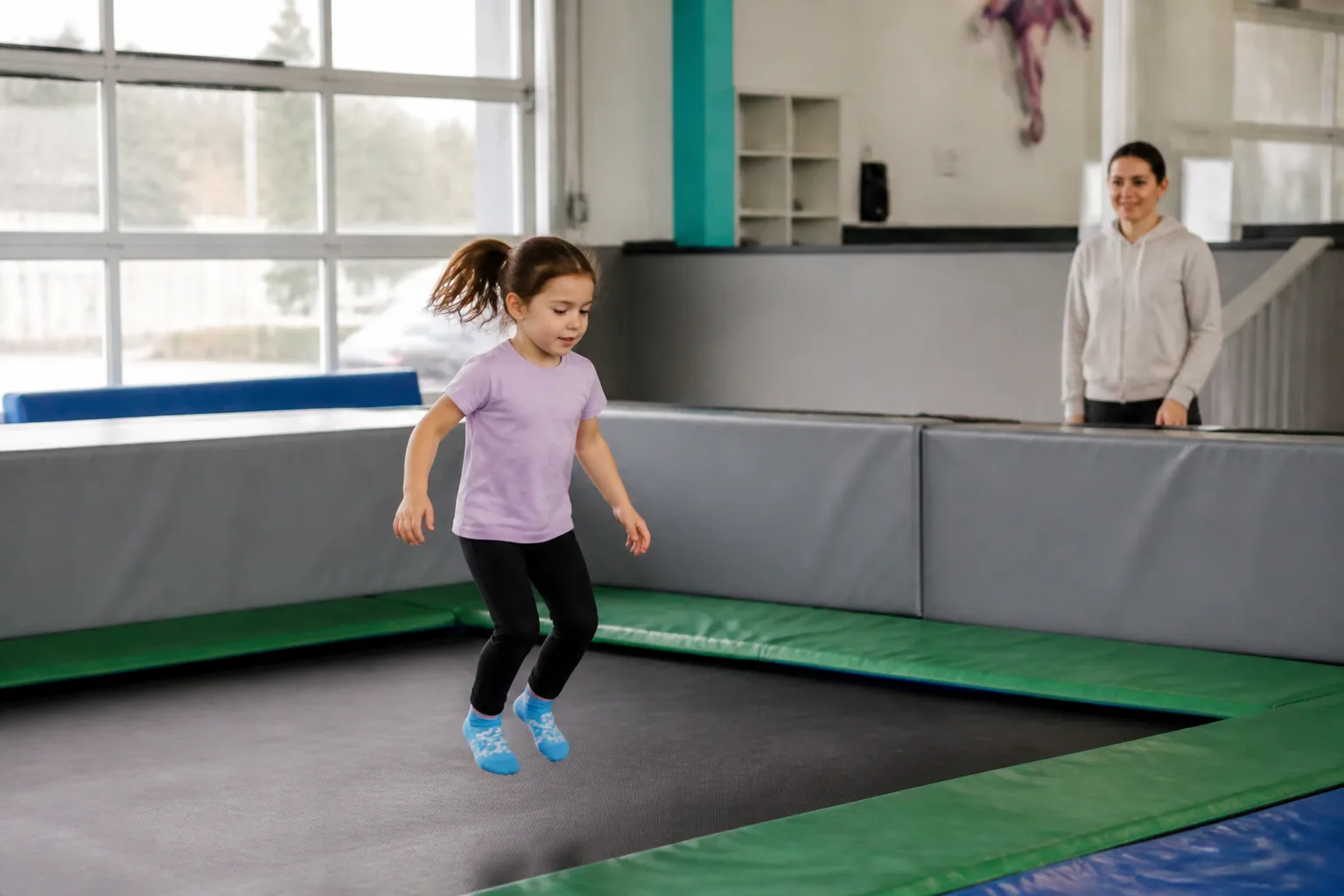
Extreme Bounce requires a 42-inch minimum height. Don't assume a child can go just because you are willing to buy a spectator ticket; if they aren't tall enough, they aren't eligible. Always check the current height and admission rules before you start driving.
At TAG, you need to match your child's age to the specific session being listed. Their page text sometimes has conflicting age ranges, so don't rely on a broad description: get confirmation for the specific, dated session you want. If you're dropping in with someone under 16, a parent or guardian has to sign for them, and the youngest drop-ins require a parent to participate.
Jungle Jacs uses age bands to set the base price, but just because they can get in the building doesn't mean they can use every attraction. Ask specifically about the restrictions for the trampoline zone and whether younger siblings have anywhere to play. Being admitted to the facility and being allowed on a specific piece of equipment are two different things.
Compare the adult's role and the complete household cost
Extreme Bounce allows one non-jumping spectator for every jumper. The 60-minute ticket is $29.99 and the 120-minute ticket is $34.99, and if you need an extra non-jumper, it's $4.99. Make sure you check the final checkout total and see if they require specific equipment. Also, a non-jumper ticket isn't an invitation for a spectator to hop on the inflatables with the child.
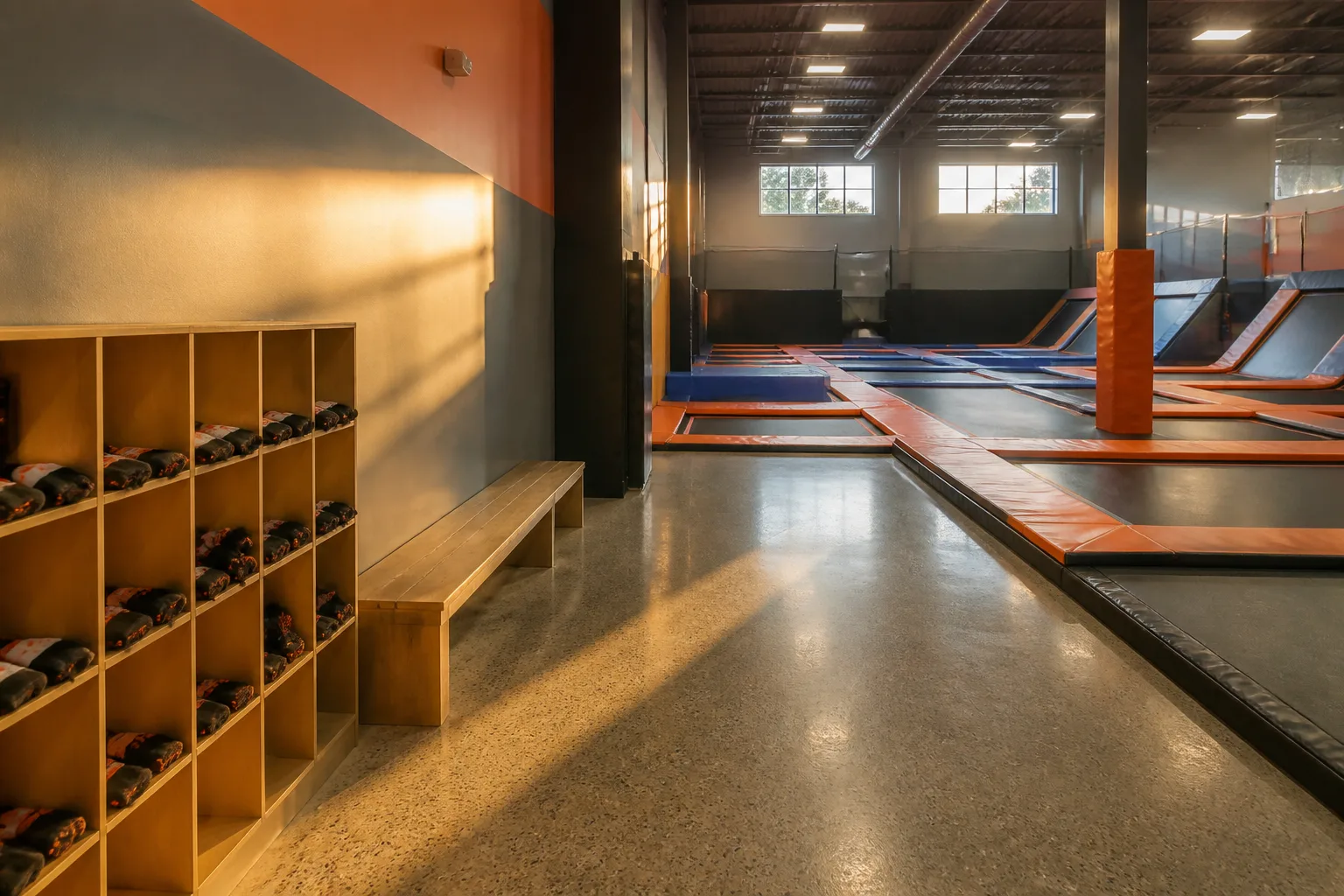
Jungle Jacs prices things by age for base admission, plus a charge for adults. The trampoline add-on is $6.85 and reusable trampoline socks are $4.74. Remember that these are extra costs on top of the playground ticket, so look at the total cost for the whole family rather than just the add-on price. Also, the registering adult is part of the wristband and UV-stamp exit process.
TAG's drop-in rates are $8 for preschool and $10 for general drop-in, and these must be paid in cash. You'll want to ask which session applies to you and which adults are required to participate. These drop-in prices are not the same as a full term of CanJump, and membership rules might not apply to both.
All amounts were checked on September 30, 2026. The bounce cost guide gives a more detailed breakdown of age-band and add-on math.
Decide whether a session clock works for this child
A 60- or 120-minute booking means your visit has a hard limit. Ask the venue when that clock actually starts, if you lose time by arriving late, and if the clock pauses if you take a break. Don't just assume the longer session is better value; match the ticket duration to the time your child will actually spend jumping.
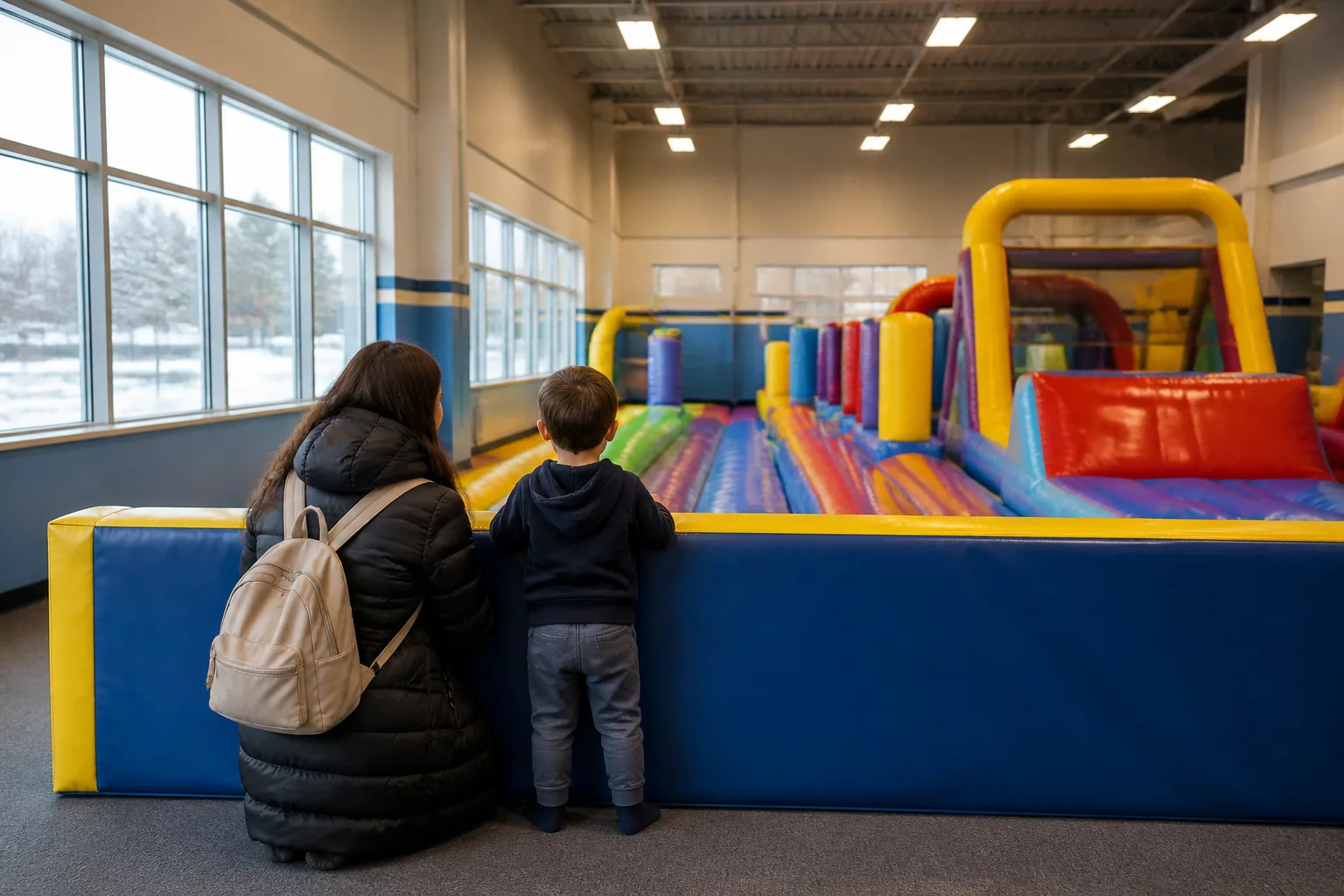
Scheduled drop-ins have a set end time too, even if the activity is unstructured. If you are in an enrolled class, the time is dictated by the coach's program. Don't promise your child they'll get to use every single piece of equipment in one lesson, as the course often covers several different types of gear.
If you have siblings, check if they can use the same booked area and if one adult can supervise both. A huge facility might give you more things to do, but it might also mean an adult has to manage kids in different sections at the same time. Ask about the actual setup instead of assuming a massive attraction list works like a childcare plan.
Choose according to the outcome, then check availability
For a standard family outing, compare the two recreational options based on eligibility, travel time, total household cost, and how much usable time you actually get. For a child who wants to build skills over time, compare the TAG CanJump levels and their teaching schedules. If you want unstructured practice, check the specific age bands, parent requirements, and rules for drop-ins.
If a program is time-limited or if a venue is in the middle of changing its operations, confirm the specific booking for that date before you head out. A directory listing helps you find your options, but it isn't a reservation and it doesn't guarantee a session is running. Once you've picked the right format, use the first-visit guide to prepare for arrival, equipment, and departure.