
Choose a music programme by what the child and household can sustain each week. You have to weigh the instrument choice against the lesson format, how much an adult needs to be involved, and whether you can actually get any practice done between sessions.
Early group learning
Vancouver Academy of Music has a Music with Friends program designed for kids aged three to six. This is a semester-based group setup with 14 meetings in the fall and 16 in the spring, and a caregiver has to participate. This setup works well if you want shared musical play and a structured group progression instead of a one-on-one instrumental lesson.
VAM's different levels require specific books or instruments. Don't just look at the program name; you need to check the materials list for the specific level you pick to know what the child actually needs to have at home.
Individual instruction
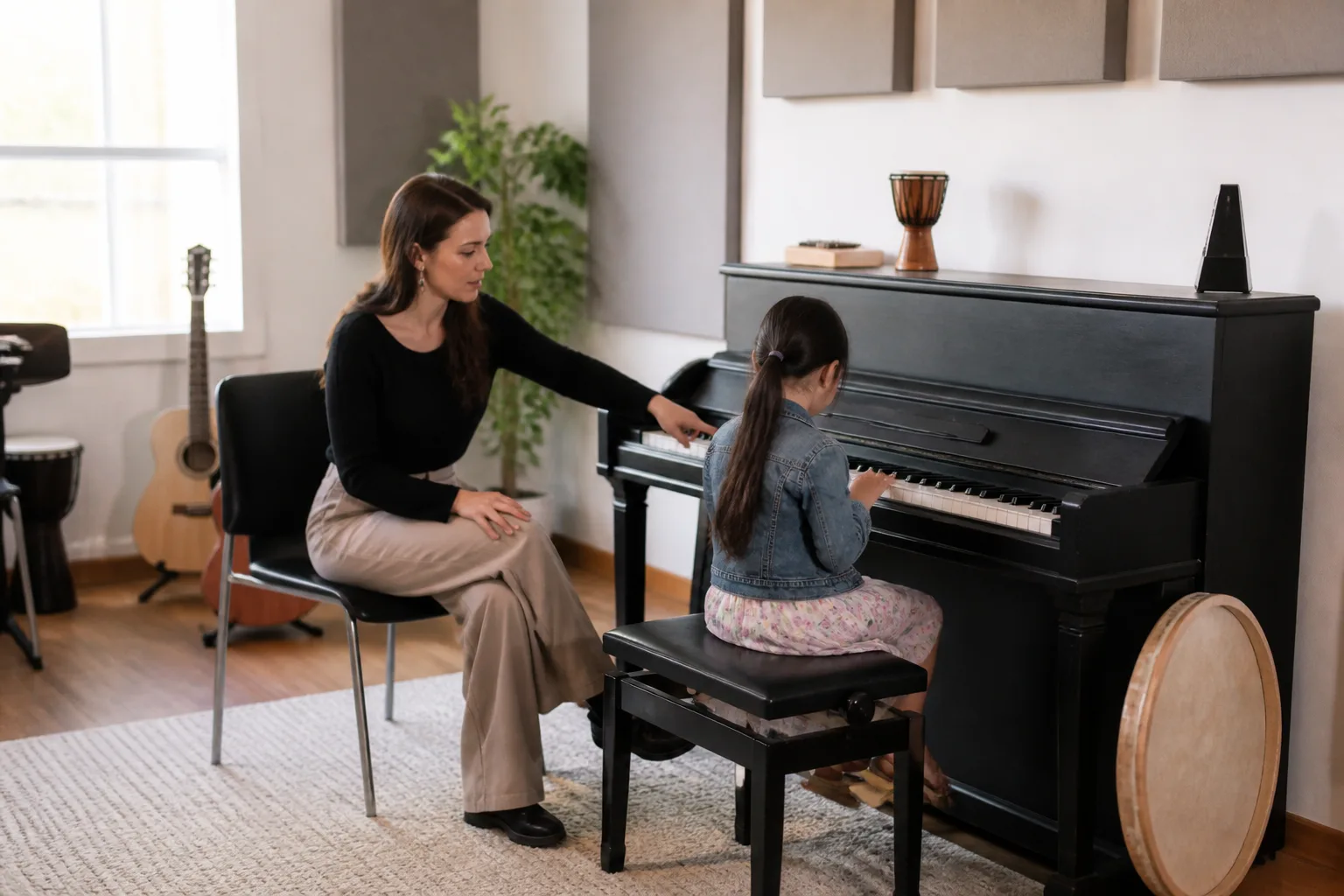
If you want private lessons, Music Star Learning Center starts teaching kids from age four. They offer 30, 45, or 60-minute sessions. While they teach various things, guitar usually doesn't start until age six or seven. If you aren't sure if your child can handle sitting one-on-one with a teacher, a 30-minute trial is a good way to test the waters before committing to a longer weekly slot.
Private lessons also mean the work continues at home. Music Star expects you to have an instrument ready for practice, though you might be able to do a first lesson before buying one. Don't pick this just because private lessons seem "better" or more advanced; only do it if your family can actually maintain a real practice routine.
Application-based access
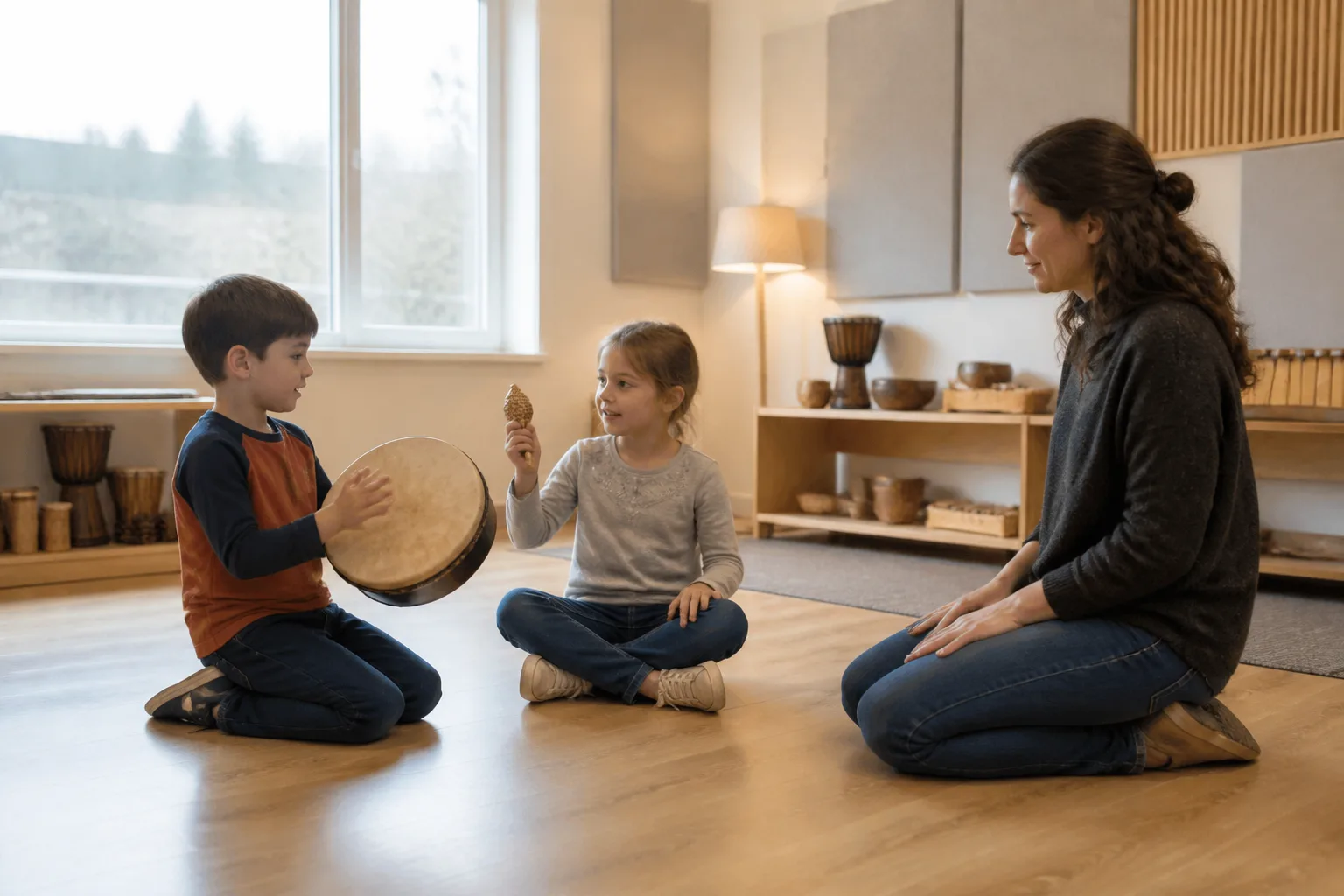
Sarah McLachlan School of Music offers barrier-focused programs that are tuition-free through an application process. Their Musical Discovery program requires a commitment of one to two hours every week. While this can help if tuition costs are an issue, it comes with specific constraints regarding eligibility, intake, and scheduling.
Ultimately, you have to pick one format: caregiver groups, private lessons, or application-based programs. Once you decide, match that choice to your child's age, their attention span for the session length, your access to an instrument at home, and your weekly travel capacity. If you try a trial program, make sure it's the same format you intend to stick with.
Compare the commitment that follows
Music Star's private lesson rates are $35 for 30 minutes, $47 for 45 minutes, and $62 for 60 minutes. You get a better per-minute rate with the longer lessons, but the weekly cost is higher and your child is expected to stay focused for longer. Their trial period is a good way to start with a smaller commitment.
VAM's Music with Friends is $380 per semester, following either the 14-class fall or 16-class spring structure. A past Summer 2026 sampler was $160, but that's not a current booking; it was a separate, short-term product. Only choose the full semester if the caregiver is able to participate and you want the specific group pathway.
The Sarah School option removes the tuition cost, but you're trading that for an application process. Don't just choose it because it's "free": look at the program fit, eligibility, location, and whether there is even a spot available.
A good choice is one that works during a normal, busy week: the child can handle the session length, the adult can do their part, the instrument is easy to access, and the location is doable.