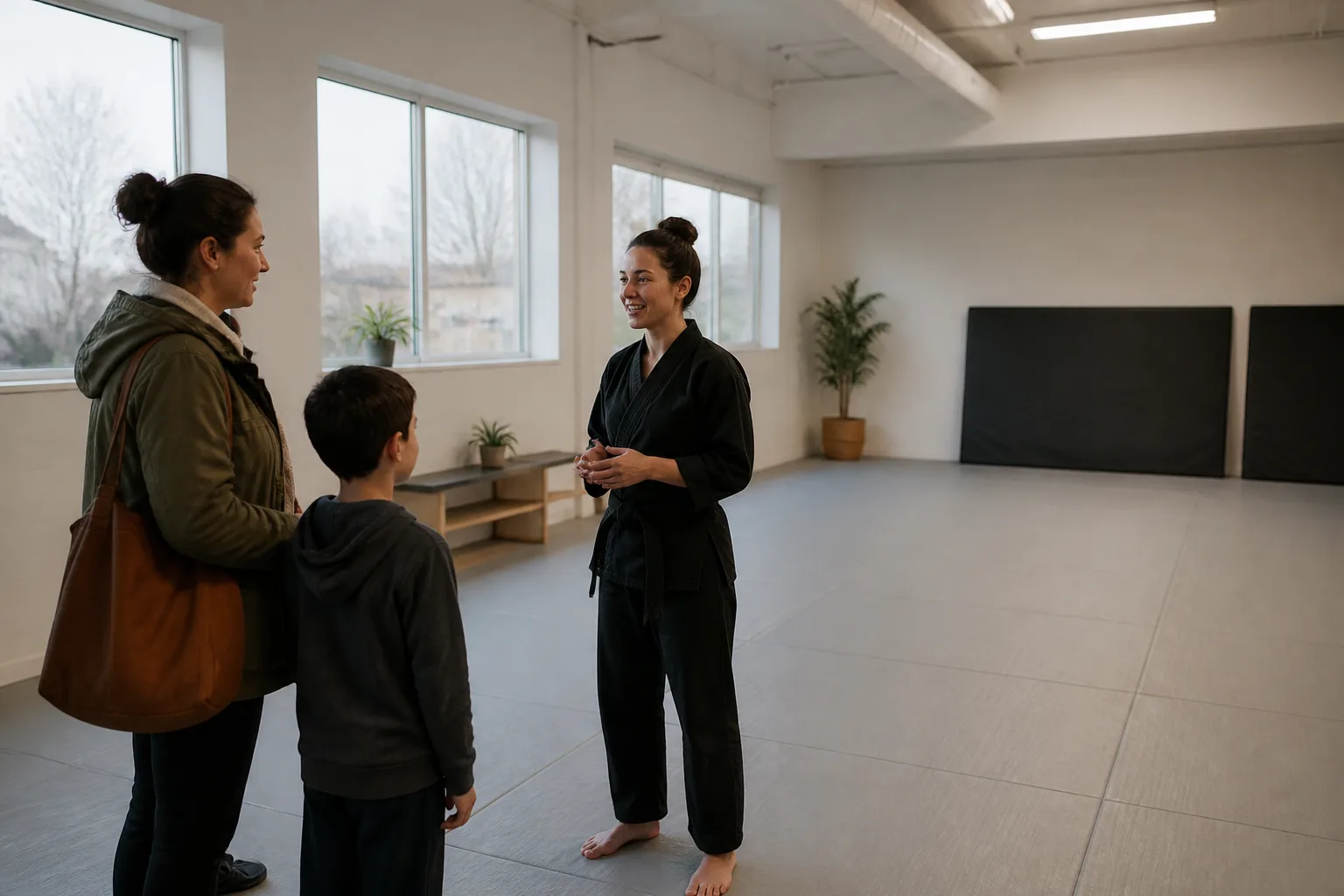
“Beginner-friendly” may describe the curriculum, the physical space or neither one clearly. Sometimes it means the curriculum is easy to grasp, and other times it means the building is actually accessible for your child. You can't just take the website at face value. To find out what you're actually getting, you need to look past the flyers. Ask specific questions about the class, the teacher, and the physical space, then be very clear about exactly what kind of support your child needs.
Check physical and sensory access
Follow the full route
You need to know the logistics of the trip to the gym. Don't just ask if they have parking; ask about transit, the entrance, stairs, or elevators. Check if there is a dedicated place to change, what the training floor feels like, and where the washroom is. You also need to confirm that an accessible entrance is actually available during the specific hours your child would be attending. Finally, check where a mobility device, service animal, or support person can stay so they aren't blocking an exit or the training mat.
Understand the room in use
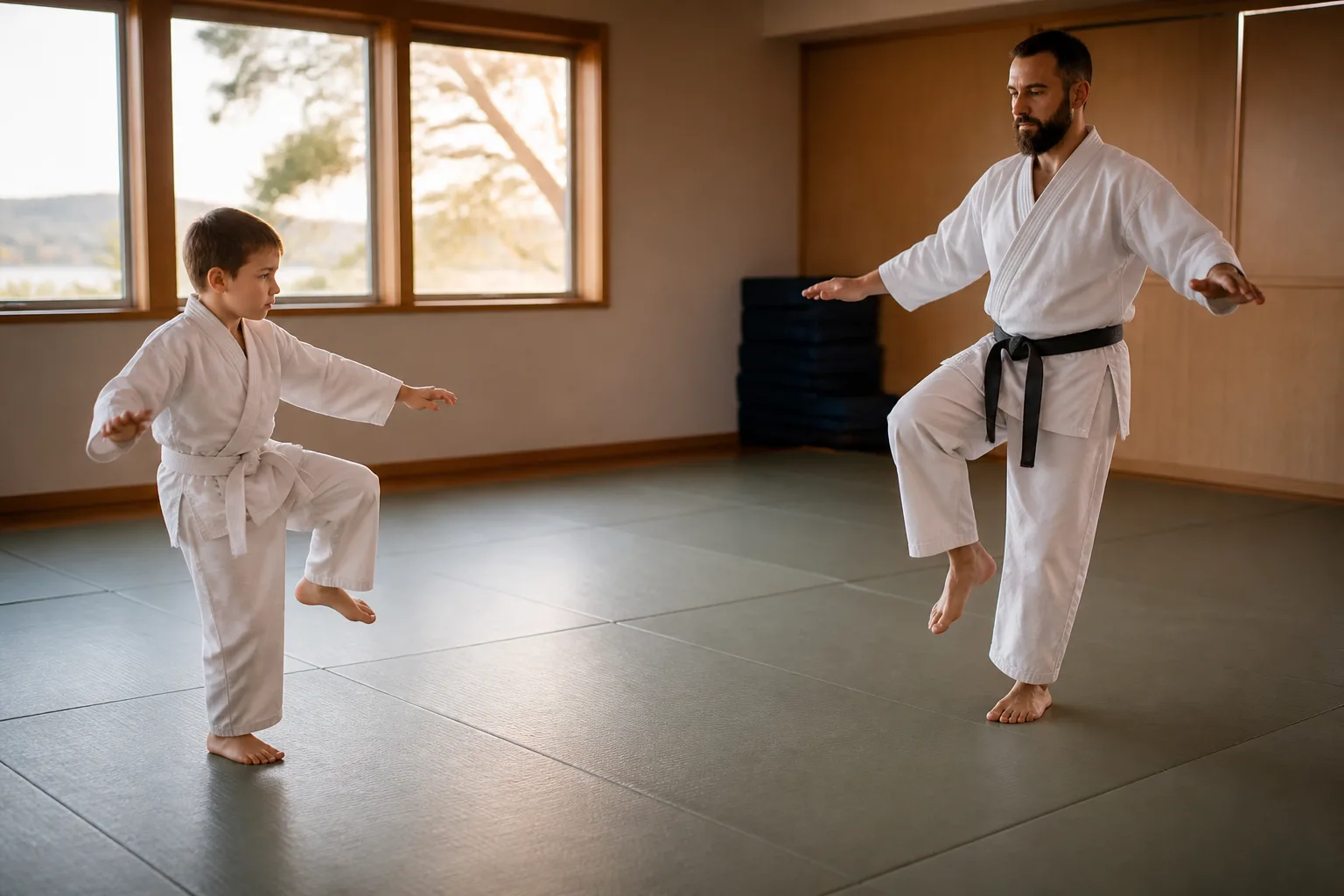
The sensory experience changes depending on the martial art and the specific lesson. One session might involve shouted group responses, loud impact sounds, or partner work. A quieter forms lesson will feel different. Ask the facility about class sizes, whether they use music, whistles, or shouted cues. Inquire about the lighting and if noise from other classes happening at the same time will be an issue. It is also worth finding out if the instructor previews transitions, demonstrates moves while giving verbal instructions, and allows a child to step into a quieter spot for a quick break.
Ask how absolute beginners learn
Ask for the standard sequence used in a first class. Find out how the teacher introduces things like falling, contact, partner drills, or using striking equipment. You should also see if a child is allowed to watch a class before they actually join in, and how the instructor handles it if the child decides they don't want to do a specific exercise.
Discuss adaptations specifically
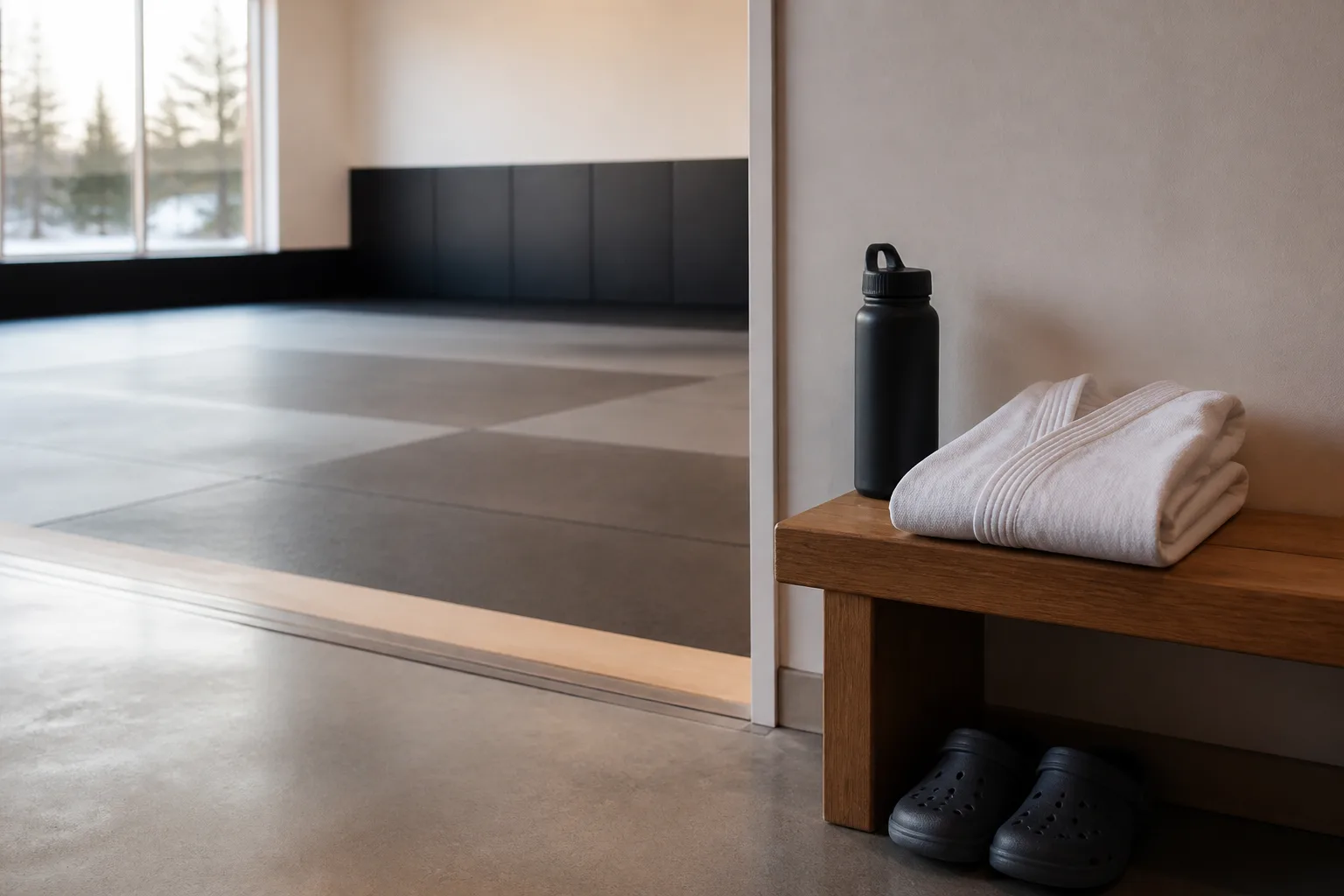
Be direct with the instructor about exactly what kind of movement, communication, or sensory support helps your child. Ask what can be adjusted, such as their position in the room, the pace of the lesson, the number of repetitions, how partners are selected, their range of movement, or using visual cues. Don't just assume an adaptation is possible; wait until the instructor actually running that specific class confirms it.
Observe the teaching relationship
If you go to a trial or an observation session, pay attention to how rules are explained, how partners are assigned, and how the instructor corrects mistakes. Ask who your child should talk to if they feel uncomfortable and how you can raise a concern as a parent. A fancy belt ranking system matters much less than whether your child understands the expectations and feels safe asking for help.
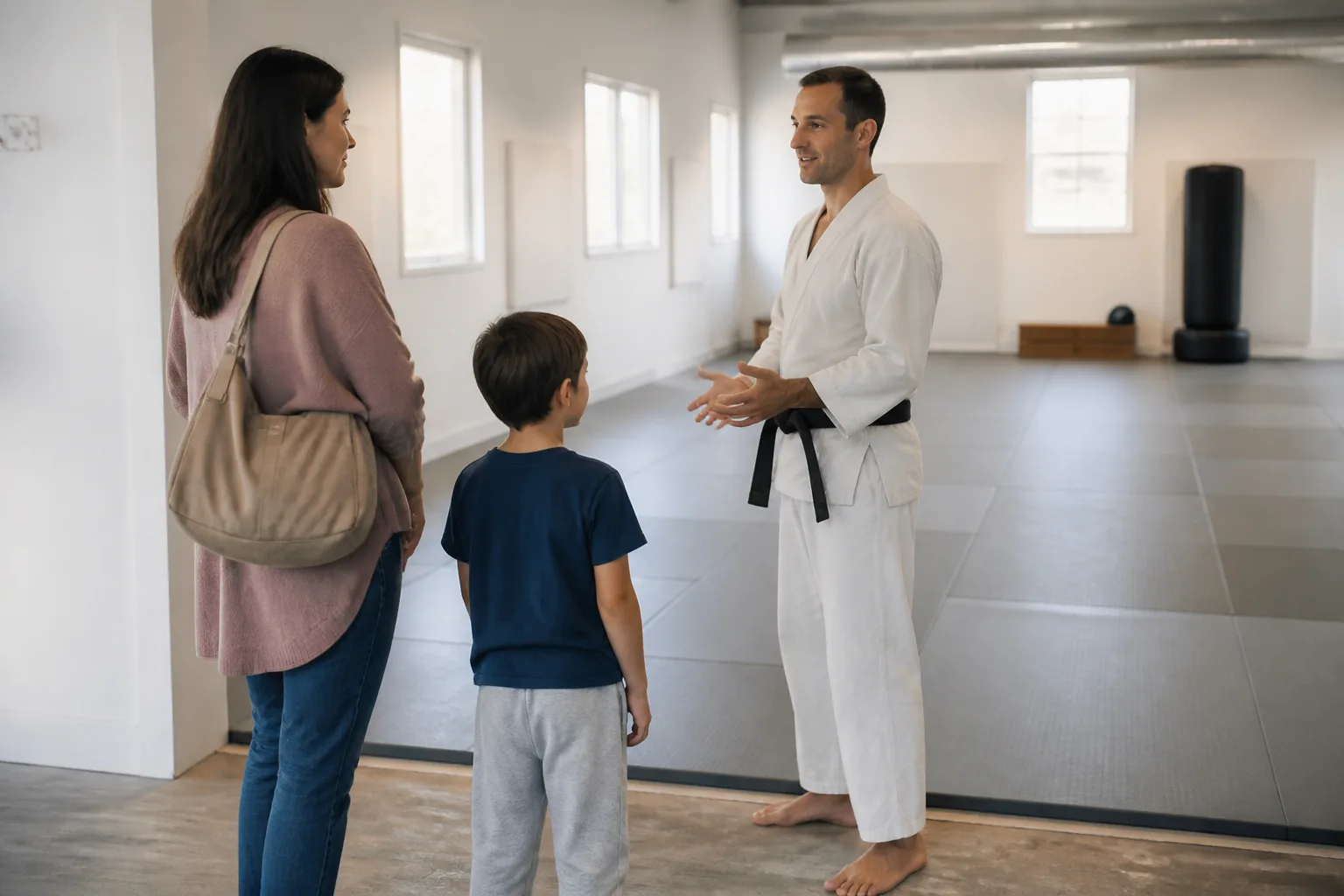
Hawkes Martial Arts in New Westminster and Revolution MMA in Langley are good places to start looking in a directory. You must still confirm the specific children's class, discipline, location, and access arrangements directly; this list does not guarantee specific accessibility features.
Test the complete class, not a quiet tour
If you can, watch a class during its actual time slot. A training room that seems fine during a quiet tour can feel very different when it is crowded with shoes, bags, siblings, and another group of students. Ask how the teacher provides a visual or individual cue if the room gets too noisy, and where a child can move to without having to walk through active partner drills.
Set up a communication plan for moments when it is too loud or difficult to talk. This could be a hand signal to stop, a specific card, or a designated adult the child can approach. You should also confirm how consent works when an instructor needs to reposition a child's limb or assign them a new partner. A class is only truly accessible if the child can learn, take a pause, communicate, and return to the group without being singled out or left behind. As the technique and contact levels increase over several weeks, you'll need to review whether these adaptations are still working.