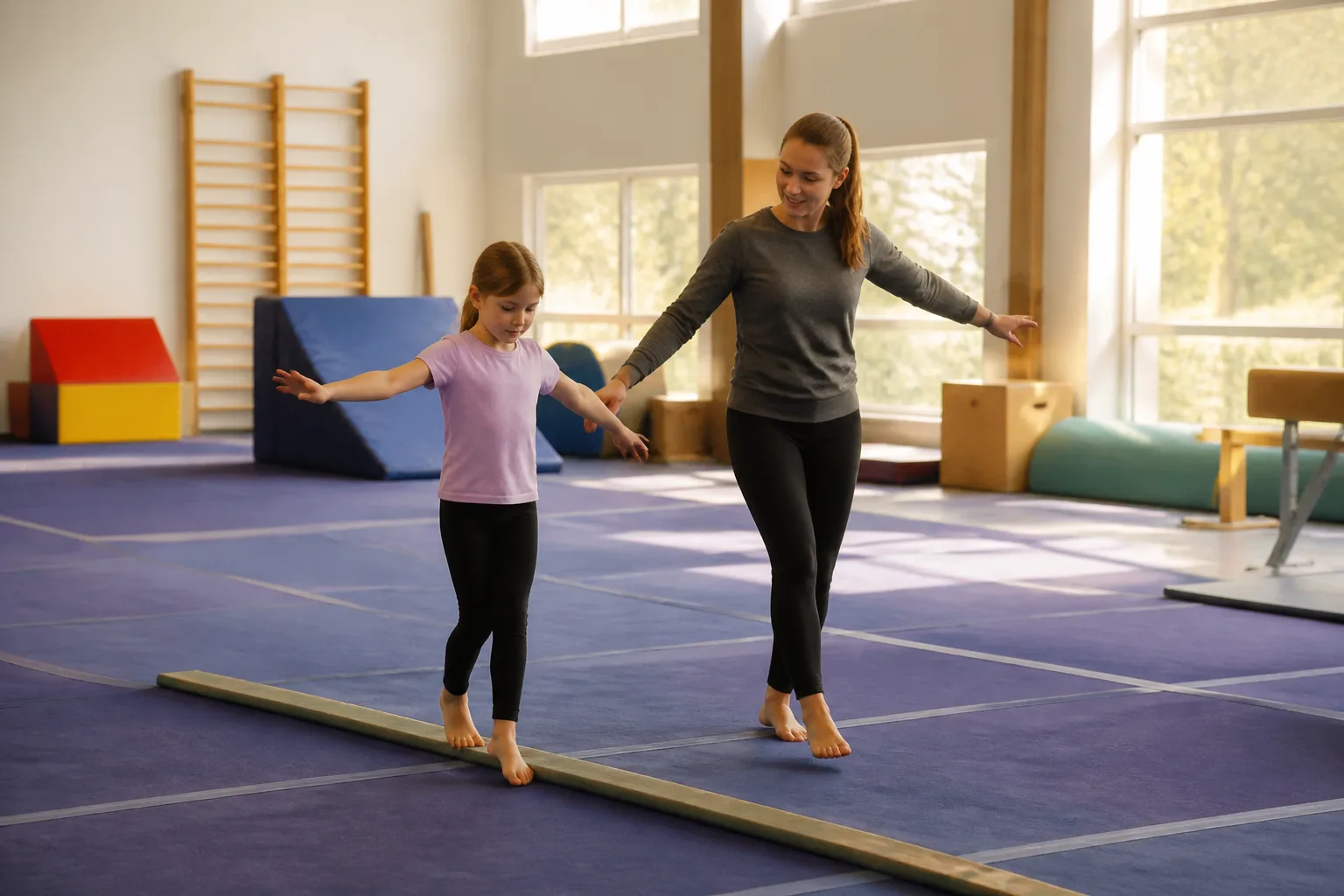
The first session follows the product booked, whether that is a drop-in, a parent-and-tot class or structured instruction. TAG Sports Centre uses its facility for several different things: unstructured drop-ins, parent-and-tot classes, and beginner CanGym classes. To get it right, make sure you know the exact programme name, the age group, and whether you're expected to join in on the floor.
Parent-and-tot and independent preschool classes
TAG Sports Centre in Port Coquitlam offers a Busy Bee parent-and-tot class for kids aged one to two. This is a 45-minute session where the child and parent do basic gymnastics together alongside an instructor.
The setup changes as kids get older. Busy Bee for ages two and three is a one-hour class where toddlers participate independently without parents. For the four-to-five age group, the class is also one hour, but it features more advanced gymnastics within an independent group. These differences matter because simply knowing it's a "preschool" class doesn't tell you if a caregiver needs to be on the floor.
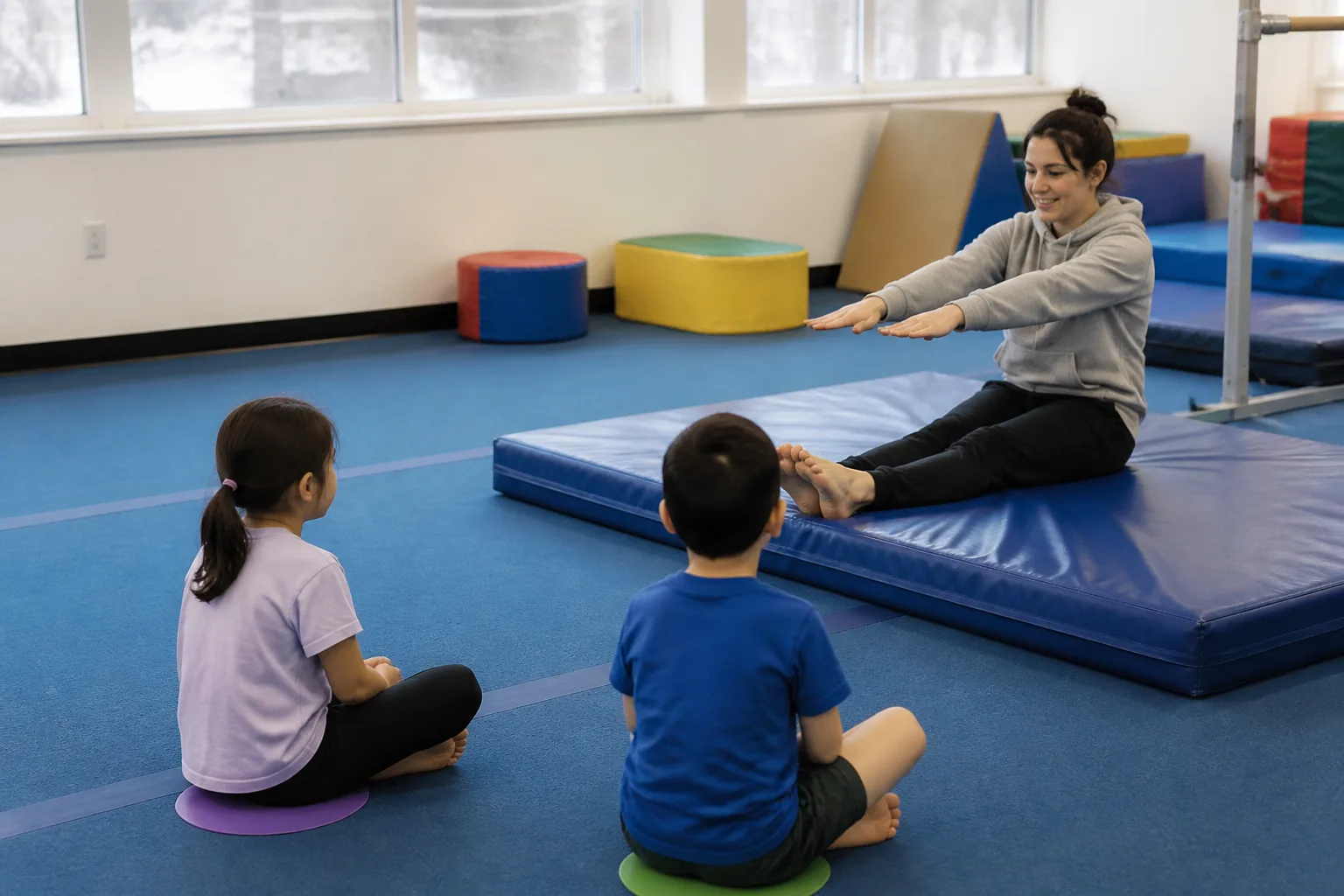
The biggest shift for the child is who they are exercising with. In parent-and-tot, you are moving with them. In the independent groups, the instructor leads the kids while the caregivers stay off the floor.
A structured beginner class
TAG describes CanGym 1–3 as a 1.5-hour beginner class for kids aged six and up. This is a coached programme that moves through various gymnastics areas like vault, bars, beam, floor, and trampoline, with the goal of progressing to higher levels. This isn't just general admission to play on the equipment; it is a structured lesson.
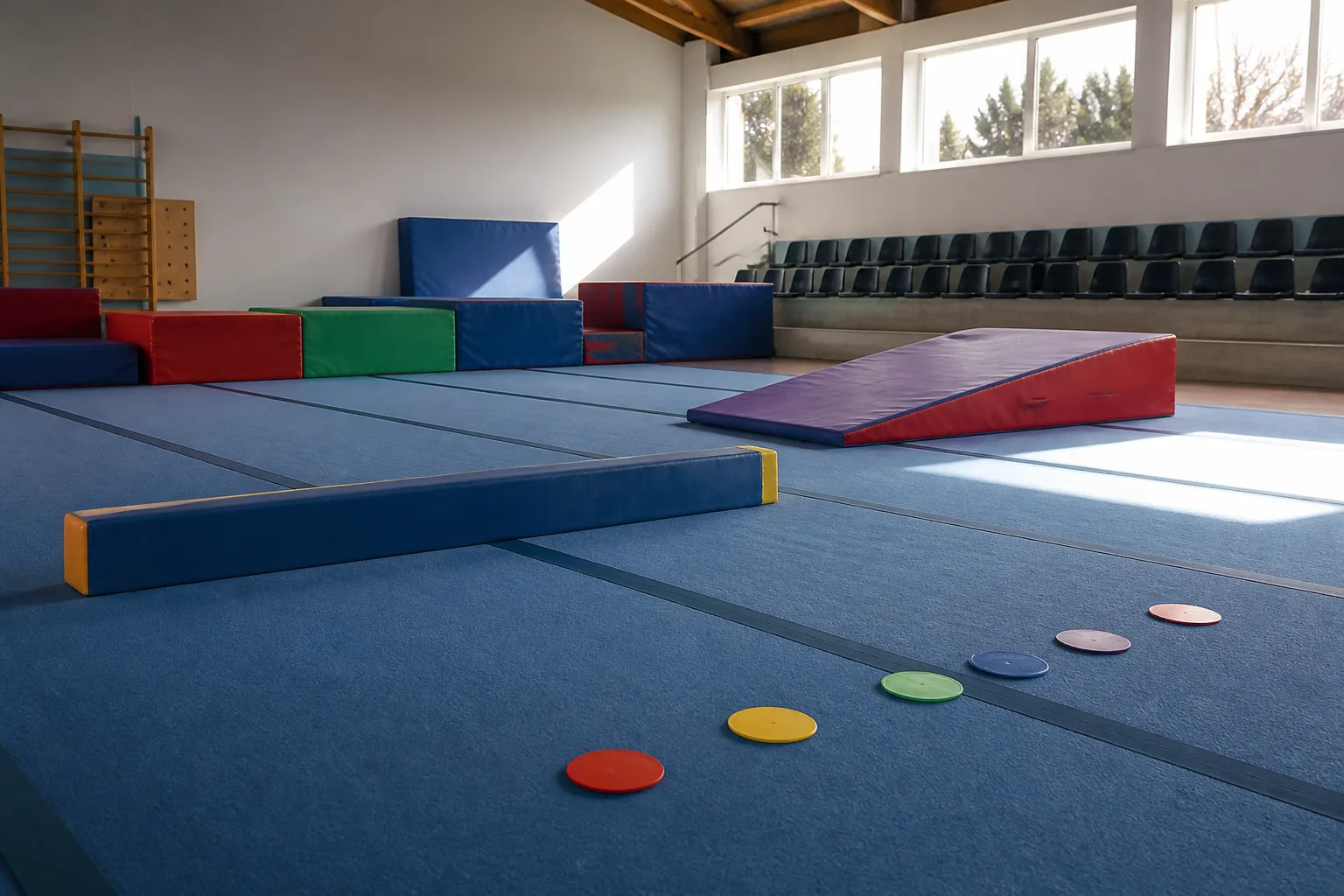
The specific coaching order depends on the class you've booked. While CanGym lists vault, bars, beam, floor, and trampoline as part of the programme, don't expect a beginner to use every single apparatus during their very first visit. Just prepare for a 1.5-hour session of coached, progressive skills and let the coach decide the specific stations and order for that day.
Club Aviva also makes a distinction between instructional, developmental, and competitive artistic and trampoline programmes. If a child is starting in an instructional class, don't go in expecting the long hours, assessment requirements, or event commitments that come with a competitive group. Use the registration name as your guide.
An unstructured drop-in
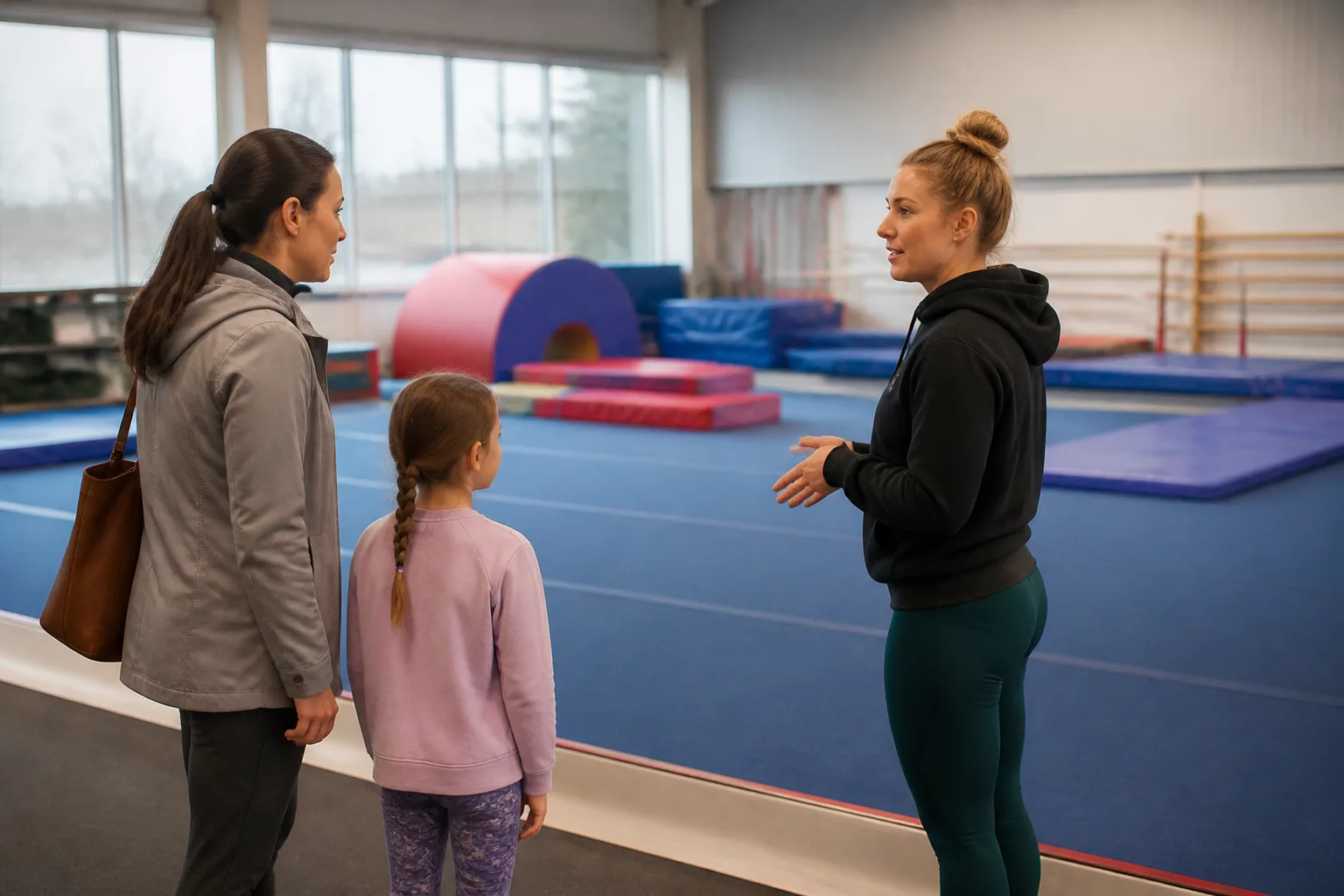
TAG also offers drop-in sessions, which are essentially unstructured gym time. Coaches are around to give guidance or help with spotting, but the participants are the ones exploring and practicing at their own pace. Note that the youngest drop-in sessions require a parent to participate inside the gym.
Even if you see the same equipment as a coached class, the experience is different. During a TAG drop-in, the child is responsible for following gym rules and asking a coach before trying a new skill or using a piece of equipment. The child picks the activities, though the coach still manages safety and spotting.
What the child can evaluate
Once the session is over, ask your child a few specific things: Could they hear the coach? Did they understand when it was their turn? Did they feel comfortable asking for help? The goal of a first visit is to see if the child can handle the teaching format and the specific role required by that programme. It isn't a test to see if they mastered a new skill on day one.