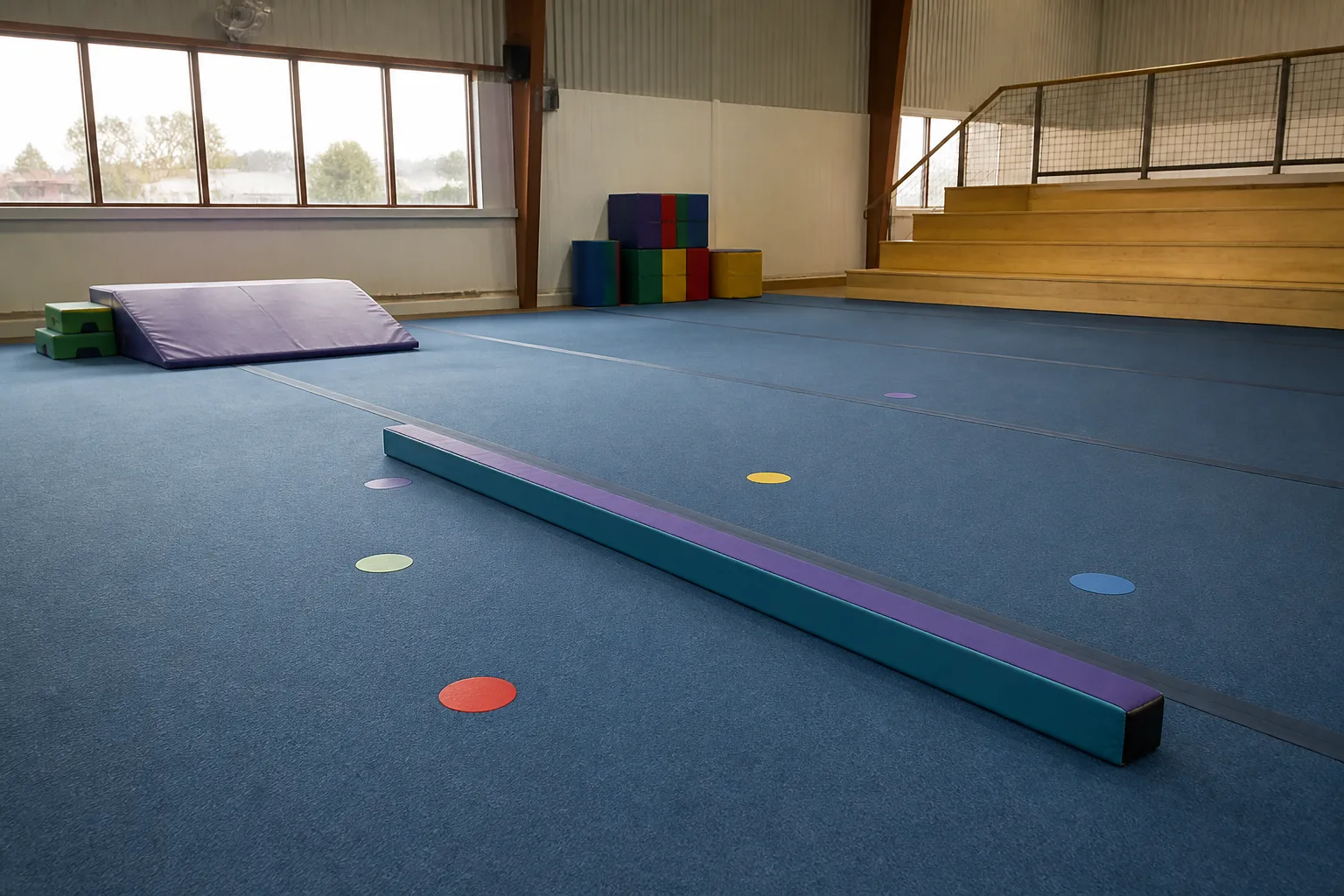
A drop-in, a week-long camp and a weekly term are different products even when all three are sold by gymnastics clubs. A single drop-in session, a week-long camp, and a weekly term class all have different price structures and different levels of commitment. If you just grab the biggest number you see on a registration page, you're going to get the wrong idea about what things actually cost.
Before you start comparing, you need to define exactly what "product" you are looking at. Are you pricing an unstructured visit, a coached weekly class, a summer camp, or a developmental program with multiple training hours? Once you know that, write down the participant details, the dates, and the required membership period. Your final total should only include the charges the provider explicitly says apply to that specific booking.
Current published child charges
TAG Sports Centre in Port Coquitlam lists an $8 preschool drop-in and a $10 general drop-in. According to their dedicated drop-in page, these are just unstructured gym sessions where coaches are there for guidance and spotting. You need to bring cash and sign a waiver for these. Just these prices don't tell you anything about what TAG charges for their recurring recreational or trampoline classes.
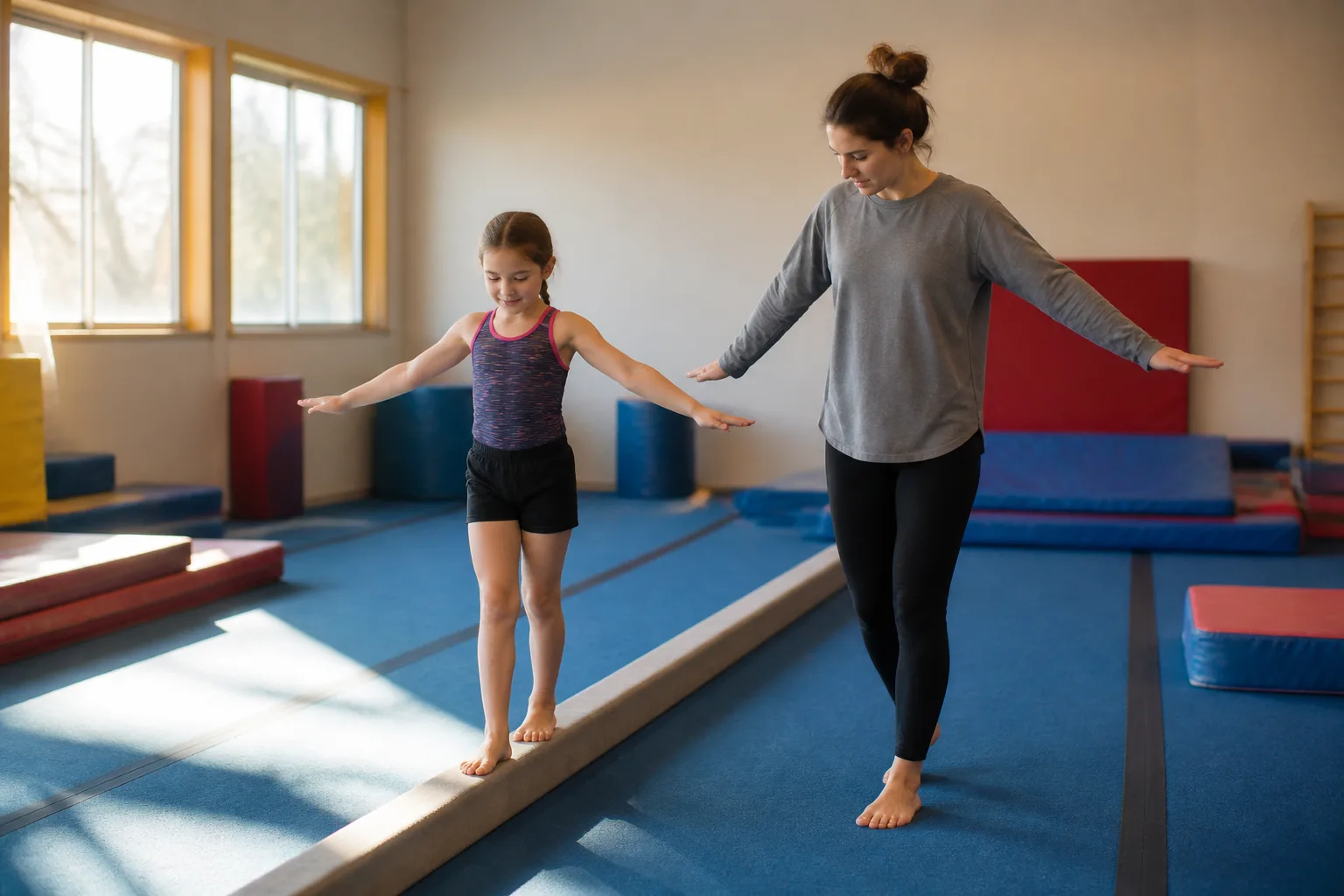
Looking at TAG's FAQ from September 30, 2026, recreational athletes have a $75 Gymnastics BC registration and insurance fee. This covers the period from September 1 through August 31. If your child is already registered with another BC club for the same membership year, you can transfer that membership to TAG instead of paying it again. This is an annual fee on top of your class tuition. The page doesn't mention if tax is included, so you'll need to check the actual checkout total to be sure.
A dated camp example, kept in its lane
The Delta Gymnastics Society showed summer 2026 camp prices of $65 for a full day, $300 for a five-day week, $40 for a half day, and $200 for a five-day week. These are just old summer camp numbers and aren't current offers. They are useful only to show how the math works: the full-day week worked out to $60 per scheduled day, while buying five separate days cost $325. The half-day week and five separate half days both totaled $200. None of these numbers tell you what Delta’s weekly gymnastics tuition costs, and the archived page doesn't say how tax is handled.
That old camp page also listed two different newcomer costs: a $62 Gymnastics BC insurance and DGS membership fee, and a separate $20 newcomer fee for summer camps. Since the page didn't combine them, you shouldn't try to bundle them into a single total either. When you're looking at a current registration screen, make sure you identify which specific charge applies to the program and membership year you've chosen.
Compare one period and one purpose
If you're looking at a one-off activity, compare the admission fee, any required membership or newcomer charges, how they take payment, and their refund policy. TAG's $8 or $10 cash drop-in is for unstructured gym time. Delta's old summer camp was a structured program. Even if both are priced based on a short visit, they aren't comparable.
For a recurring class, use the current registration total for that specific class and make note of how many meetings there are or how many monthly payments are required. TAG’s public pages show the $75 annual recreational registration fee, but they don't list a current tuition figure for children's classes. You can't use Delta's old camp rates to fill that gap. The only way to get a real comparison is to look at the written checkout total for the same type of class and the same dates at each club.
If you're dividing a term total by the number of meetings, only do that after you've confirmed that any scheduled closures are already accounted for in the calendar. When comparing, keep TAG's recurring September-to-August registration fee separate from the class total rather than trying to hide it inside an estimated "per class" price. If a child starts late, use the actual written checkout amount instead of assuming the club will prorate the tuition.
Costs that depend on the class
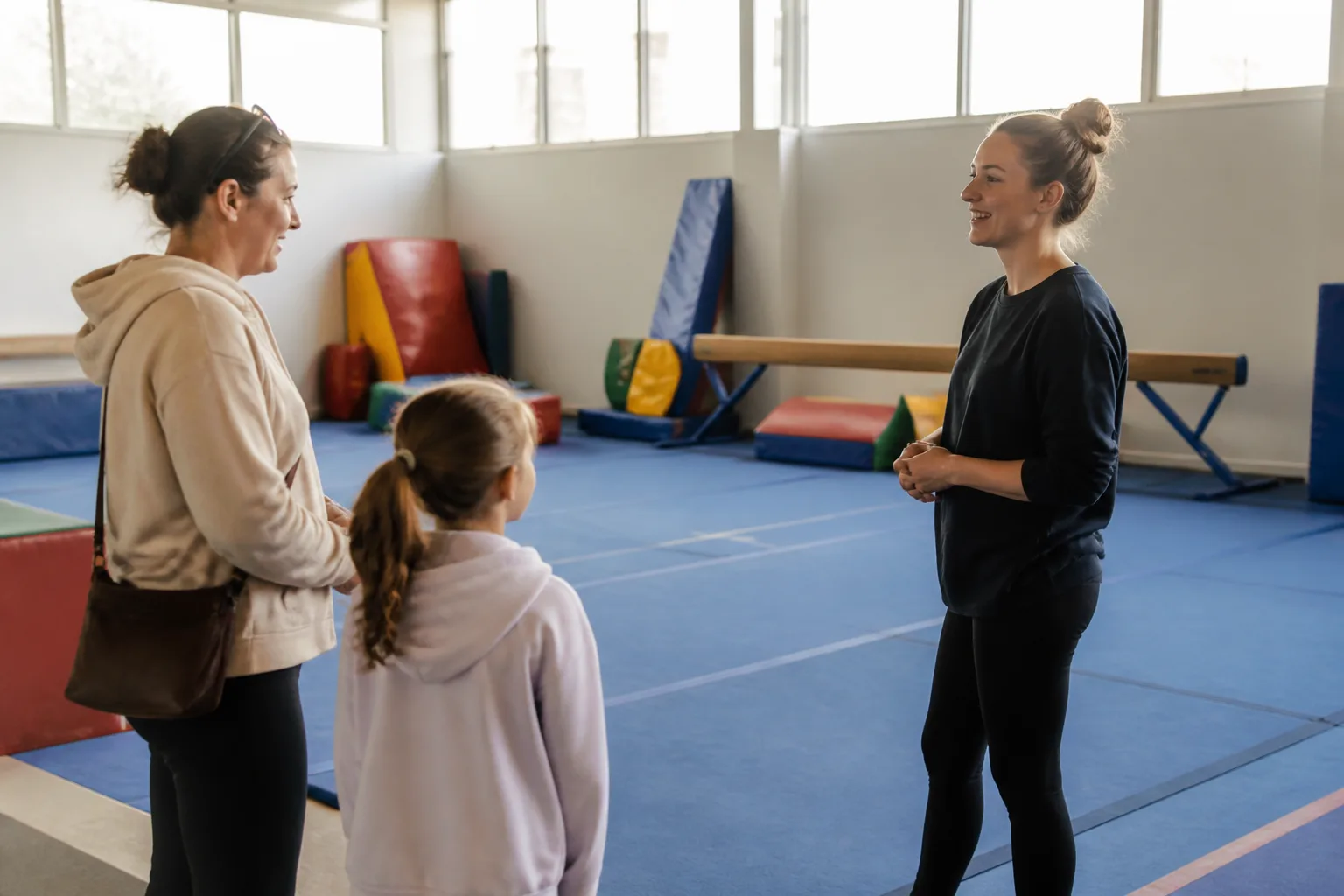
Clothing needs vary. Some clubs just require close-fitting athletic wear, while others require specific club items. Flicka Gymnastics Club’s current guidance for recreation tells participants to wear close-fitting clothes, tie back long hair, and remove jewelry (except for stud earrings), and to attend barefoot. There is no mention there that a new recreational gymnast needs to buy a leotard.
You should also only include assessment, event, or travel costs if they actually apply to your situation. A beginner in a recreational program shouldn't be burdened with competition entry fees just because the club has a competitive track. Similarly, don't price a child attending one class a week as if they are training multiple days.
Your final comparison should answer one very specific question: what exactly does this child have to pay to attend this specific program for this specific time frame? Use the Little Ones BC activity directory to find the provider you want and get the actual written registration total. Make sure to keep annual registration fees, drop-in admission, and dated camp examples on separate lines in your comparison.