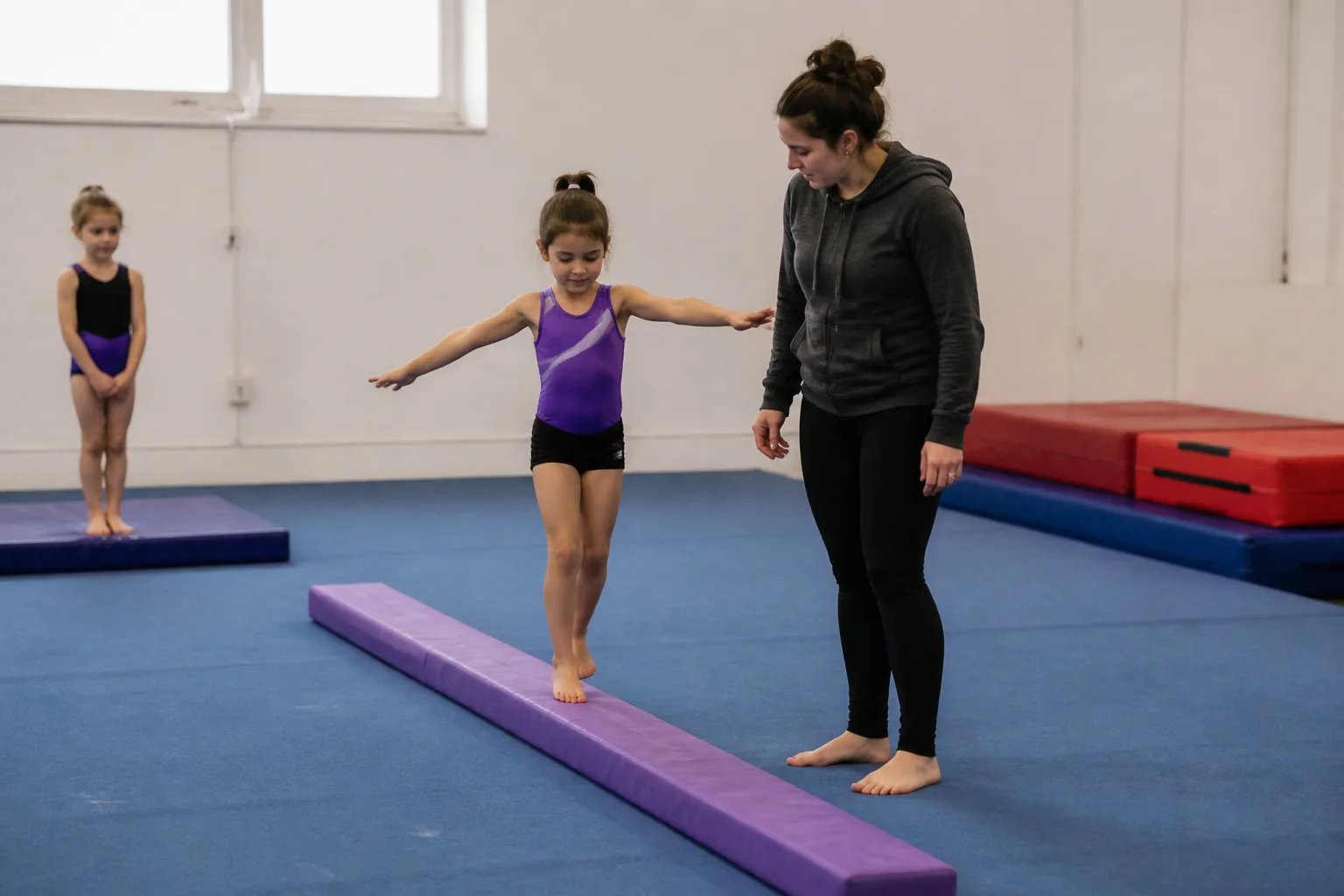
Choose the programme format before choosing the club. It is about understanding the different programme formats. Providers in the Lower Mainland offer a huge variety: parent-and-tot classes, independent preschool groups, recreational apparatus work, trampoline and tumbling, developmental groups, and competitive teams. Each one requires something different from your child and your family schedule.
Choose the entry format
If you have a very young child, your first big decision is whether you need to be in the class with them. TAG Sports Centre offers a 45-minute parent-and-tot session for one-to-two-year-olds. Once they hit age two to three, they move into a one-hour class where parents don't participate. Their four-to-five-year-old classes are also independent.
This setup is a good reminder that age labels can be misleading. A two-year-old might technically qualify for an independent group, but they might actually need a slower transition away from their parents. Check the specific separation plan before you sign up. You don't want to promise a child they can stay on the floor if the programme rules say otherwise.
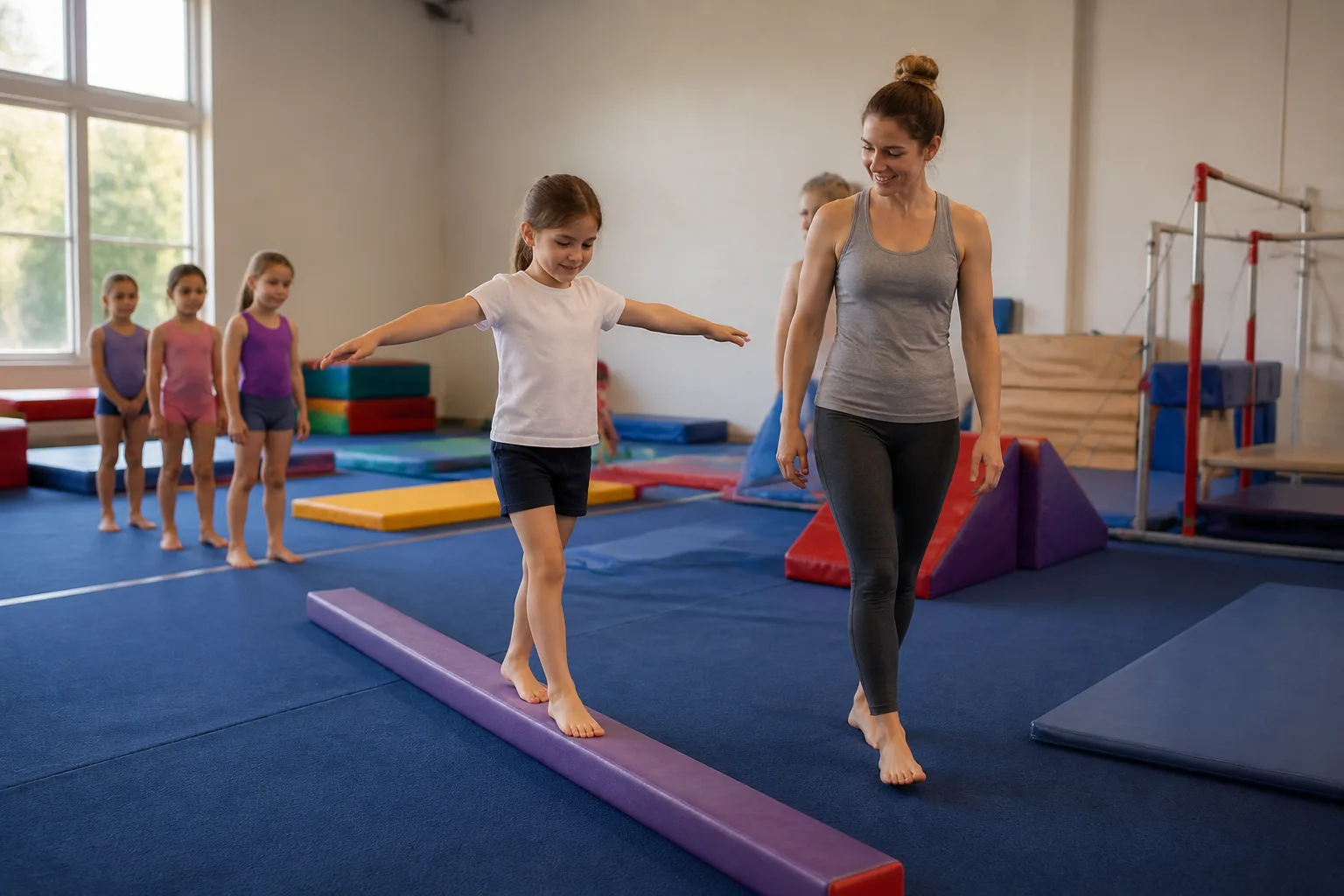
For kids six and up, the options diverge more. TAG's CanGym beginner class runs for 1.5 hours and covers vault, bars, beam, floor, and trampoline. This is great if your child wants a wide variety of artistic gymnastics. If they want to focus specifically on trampoline and tumbling, TAG has a one-hour beginner class that leads toward more advanced work on floor, trampoline, and the double-mini.
Separate recreational and advanced pathways
Club Aviva in Coquitlam has a range of instructional, developmental, and competitive programmes for both artistic gymnastics and trampoline. Similarly, Flicka Gymnastics Club in North Vancouver offers both recreational and competitive paths. Just because a club has a competitive team doesn't mean the beginner experience has to be high-pressure; a club can offer a solid recreational starting point even if they have elite athletes.
Before you book that first session, find out how they place kids. Is it based on age, a skill assessment, or an invitation? Once you know that, look at what "moving up" actually looks like. You only need to worry about those extra obligations if you are actually aiming for that specific pathway.
Match the teaching setting
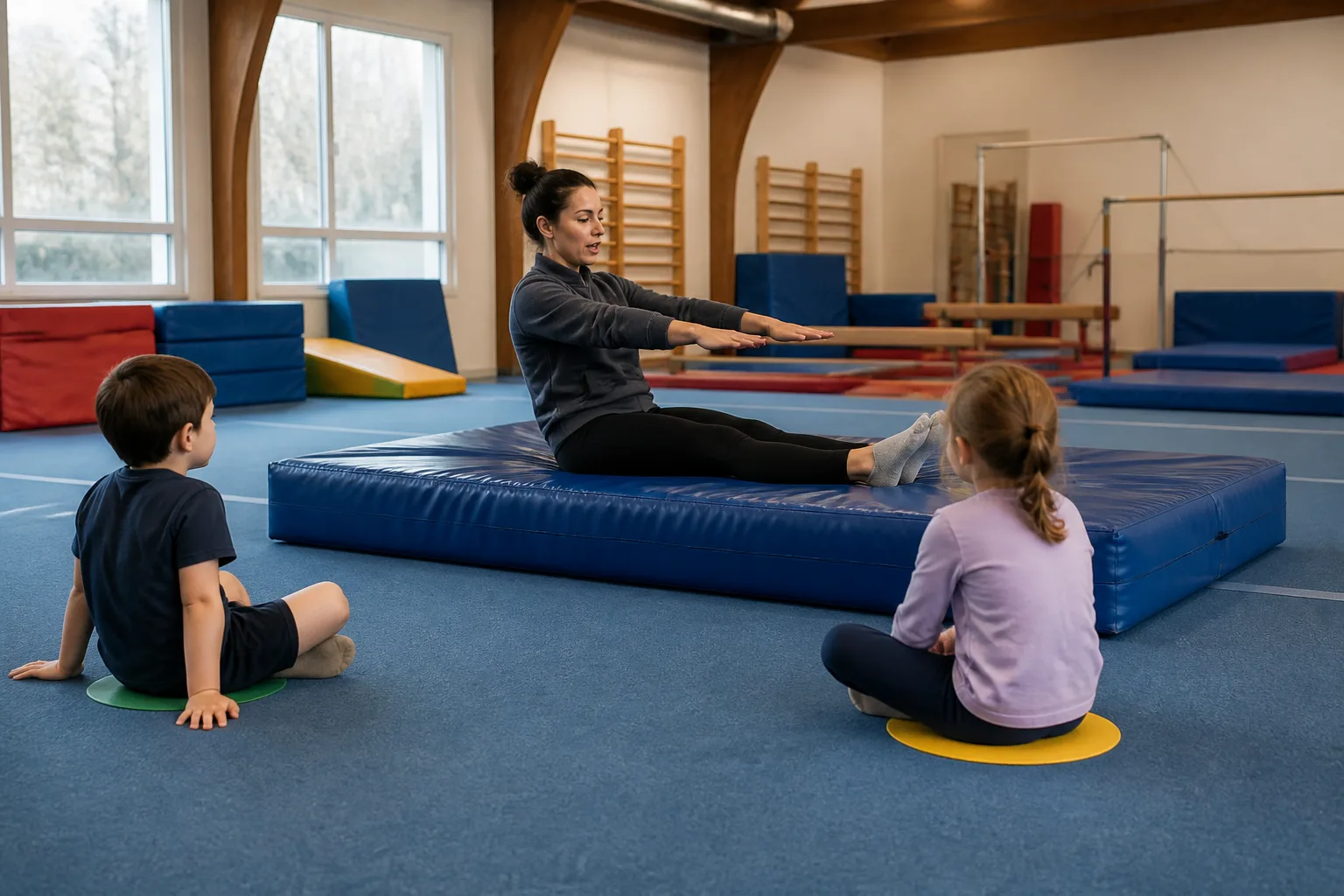
Don't just rely on a club's reputation; look at what is actually happening in the room. During a trial or observation, check for a few practical things: are the instructions easy to follow? Is there safe spacing between kids? Is there a clear system for taking turns? Most importantly, does the coach seem approachable to a child? You should also ask how they manage a group when kids are progressing at different speeds.
Flicka mentions having an autism-friendly class, which is a great starting point, but the label alone doesn't tell you everything. You'll want to know about the specific staffing, the noise levels, whether there is a quiet break space, and what the communication supports actually look like. It's best to describe your child's specific needs and see how the staff responds compared to how they handle a standard recreational class.
Test the weekly commitment
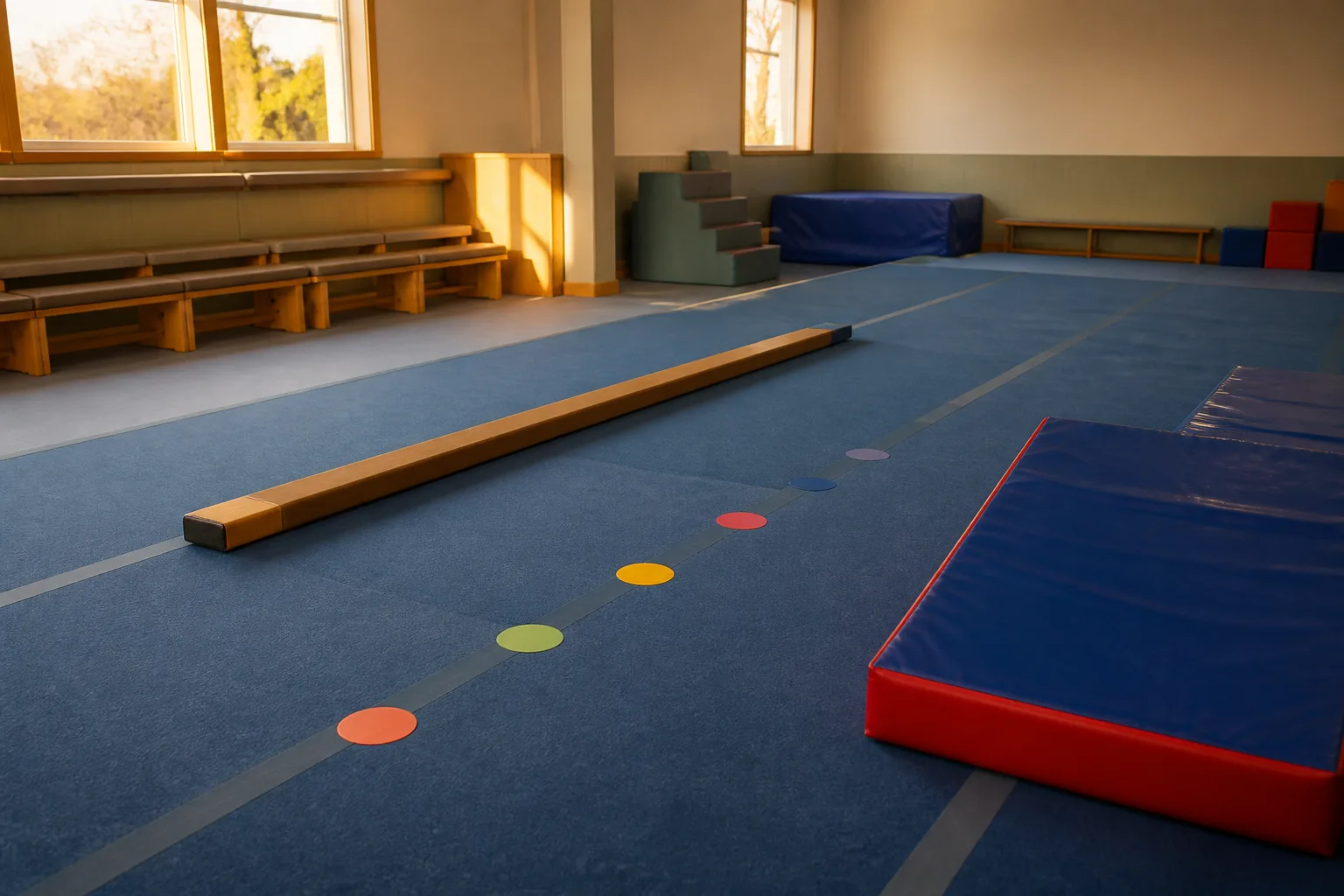
You need to see the actual facility. Do a trial run of the commute at the actual time the class happens. Remember to account for the time it takes to change, the handoff between parent and coach, and the pickup. Finally, get the actual tuition, membership terms, and cancellation policies for the specific class you want. The price for a summer camp or an adult drop-in session isn't the same as the weekly tuition for a child.
Decide from the ordinary programme
A trial session is helpful for seeing how your child reacts to the coach and the environment, but a private introduction or a special event might not represent a "normal" day. Always ask if the teacher, the time slot, and the group you are seeing are the ones your child will actually be with during a regular week.
The right choice is the programme that works for your actual life: a schedule with the right adult involvement, the specific apparatus your child likes, clear instructions, a sustainable progression, and a clear path forward. The best fit is the class your child can actually attend and enjoy right now, not the club's most advanced level.