
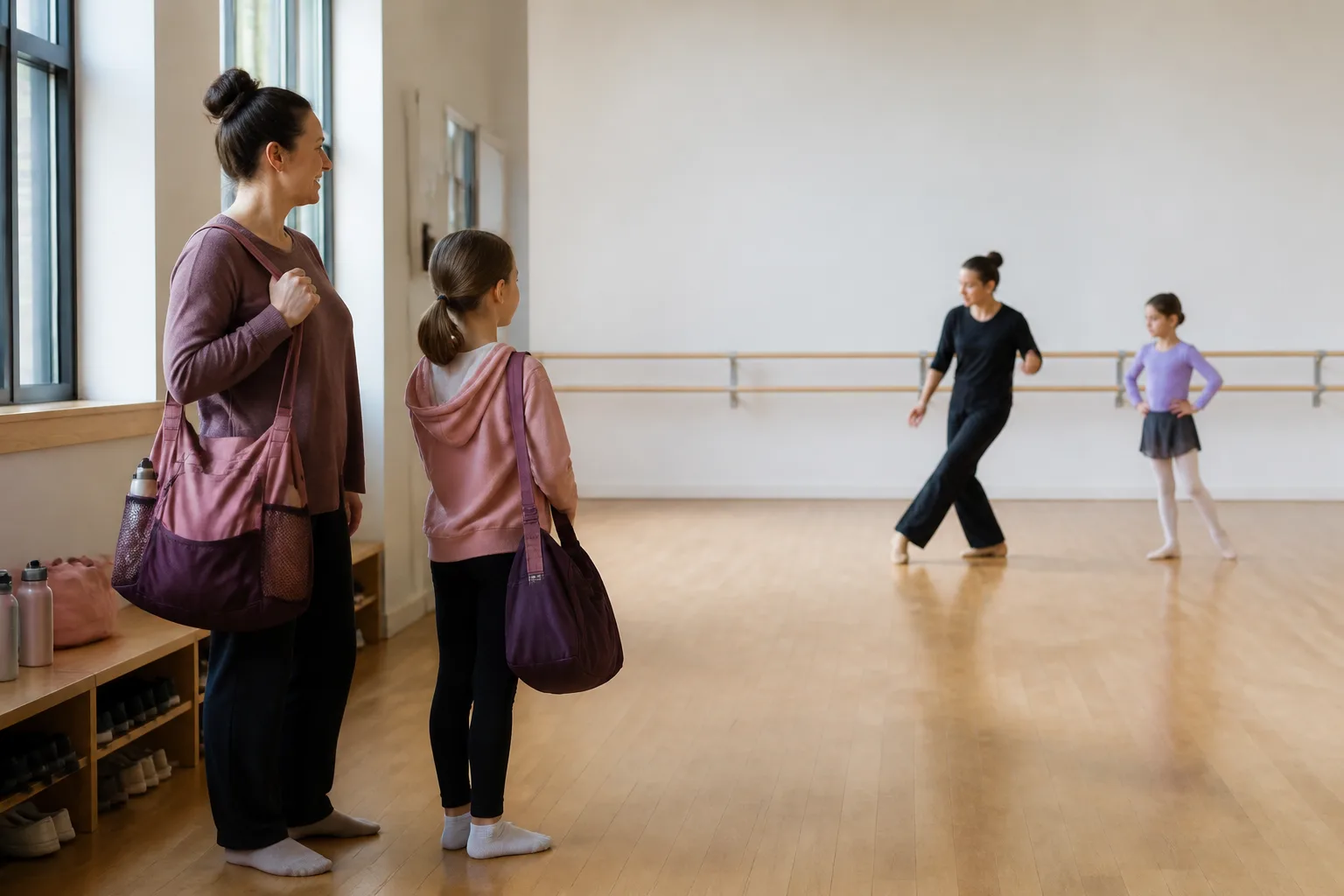
A first dance class depends on the child’s age, previous experience and interest in performing. "Dance" is a broad term. You might be looking at creative movement with a parent, a specific style like ballet, a mix of everything, acro dance, or even a high-intensity auditioned training track. Before you start browsing studios, figure out how much time your family can actually commit and if your child actually wants to do a recital.
Start with a programme that matches the commitment
Arts Umbrella on Granville Island offers a ballet-based General Program alongside more intense, professional tracks. They differentiate between open-entry general classes and programs that require an audition or a recommendation from an instructor. When you call them, don't just ask for general info; ask for the specific entry point for your child's age or grade and check if the class is sessional or runs for the whole year. The name "Arts Umbrella" doesn't tell you the level of commitment on its own.
Abbotsford Dance Center has a few different paths: early-childhood, recreational, shorter sessions, and competitive routes. You can find parent-and-child classes or mixed-style beginner classes here. Their recreational program leads to a year-end recital, but different paths have different expectations for attendance and performances. If you're just starting out, ask the studio which option is the least intensive for your child's age and interest.
Defy Gravity Dance Company Inc. in Richmond runs classes during the school year. They don't lump everyone into a competitive group; they have Performance, Competitive, and Professional/Ballet Exam divisions. The Performance side includes Ruby (ages 3–4) and Amethyst (ages 5–6), with various options for styles and weekly hours. If you're calling with a beginner inquiry, make sure you're asking about the current age-level and commitment, not just summer camps or party packages. Note that as of September 30, 2026, the studio is advertising paid trials for the period of September 12–October 24; make sure you confirm there is space and the class is the right fit before you pay.
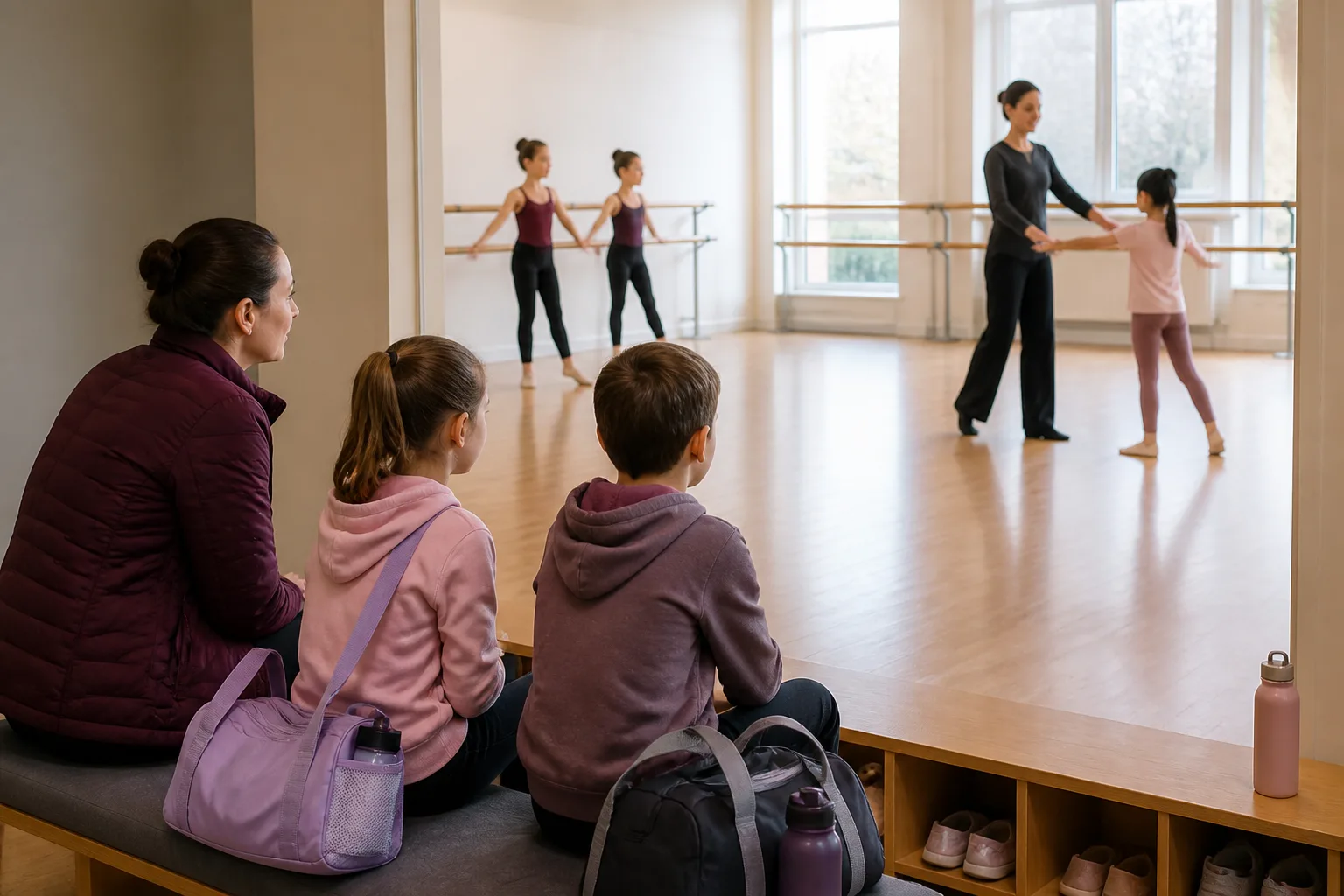
You can use the activity directory to find other studios near you. A pro tip: don't try to compare schedules based on a general directory category. Pick a specific, named class and branch first, then start comparing.
Pick a style without making it permanent
A combination class or creative movement session is a great way to let a child test out different rhythms and styles before they commit to one specific thing. If your child is older, they can often jump into an age-appropriate recreational group without having to start at the absolute youngest level. When you talk to the studio, give them the child's exact age, any gymnastics or dance experience they have, and what actually caught their interest.
If your kid is asking for acro, make sure you understand how the acrobatic moves are taught and what the prerequisites are. Acro dance is a mix of dance and tumbling, but it isn't the same thing as an artistic gymnastics program. Also, remember that ballet, hip hop, and mixed samplers all have different requirements for music, clothing, and class structure. A first term should be about testing the fit, not picking a permanent specialization.
Ask before registering
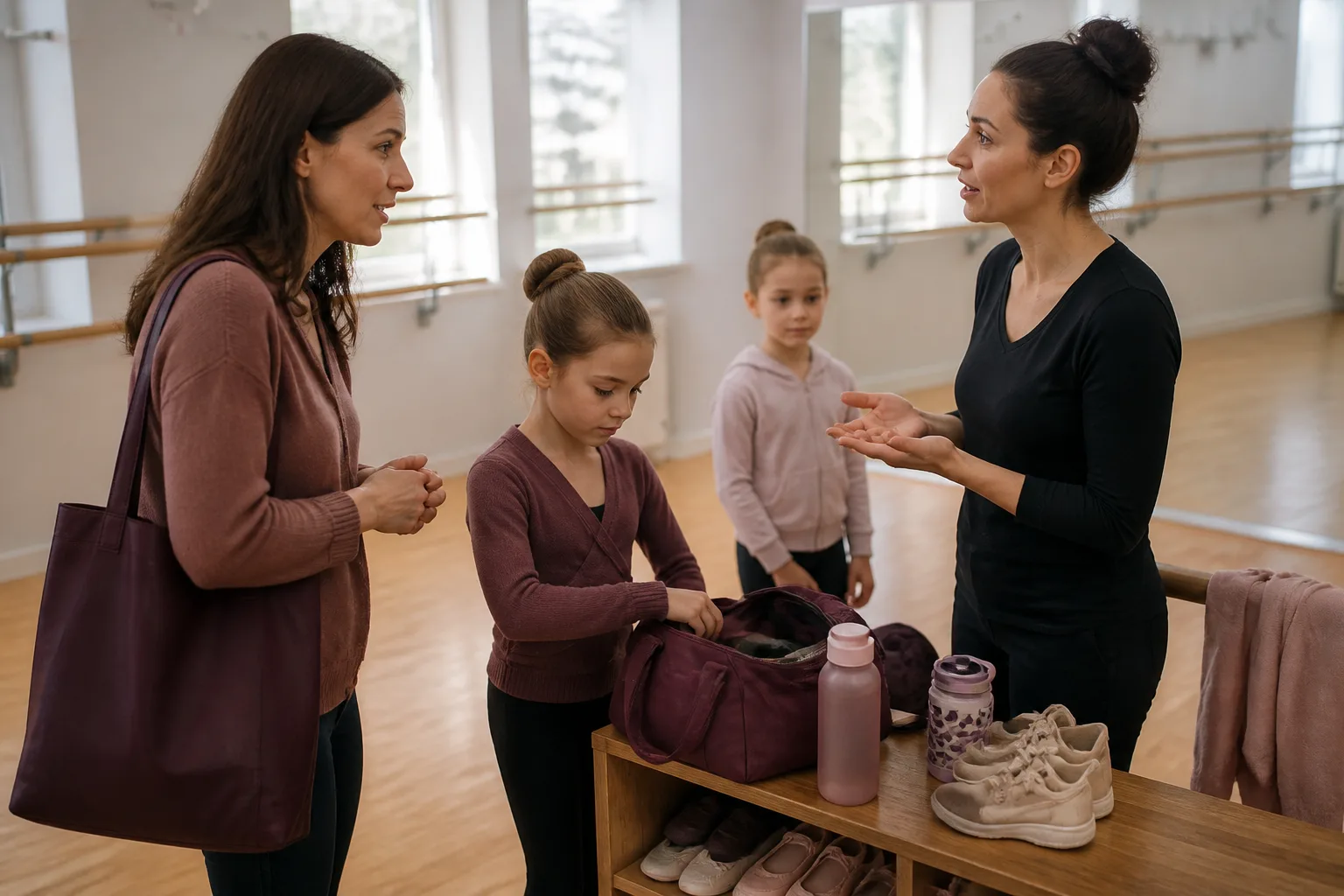
- Is this class open to beginners, or do they need a placement?
- Does a parent stay to participate, watch from a window, or leave the building?
- Is enrollment for a single short session, a full term, or the entire school year?
- Is a recital included in the cost, is it optional, or is it not part of the program? If there is one, are extra rehearsals expected?
- What is the exact clothing and footwear requirement for this specific class?
- Are there extra charges for registration, costumes, exams, competitions, or performances?
Calculate the full season, not one payment
The monthly price won't tell you the total cost for the whole season. You need to ask how many installments there are and what that tuition actually covers. For example, Defy Gravity uses ten seasonal installments that include the digital video, rehearsal, and the recreational recital costume; however, uniforms and performance tickets are extra. Other studios might bundle things differently, so don't assume a recital always comes with an extra costume fee. Also, competitive or professional paths usually come with more commitments than a standard recreational class.
Don't go out and buy gear until the studio gives you their exact shoe and clothing specifications. You should also ask about their policies for missed classes, withdrawals, and cancelled sessions, and find out if a paid trial locks the family into a longer commitment. Look at the total compulsory cost for the season and what you'll owe if your child has to withdraw: don't just look at the first installment.
Watch how the class is taught
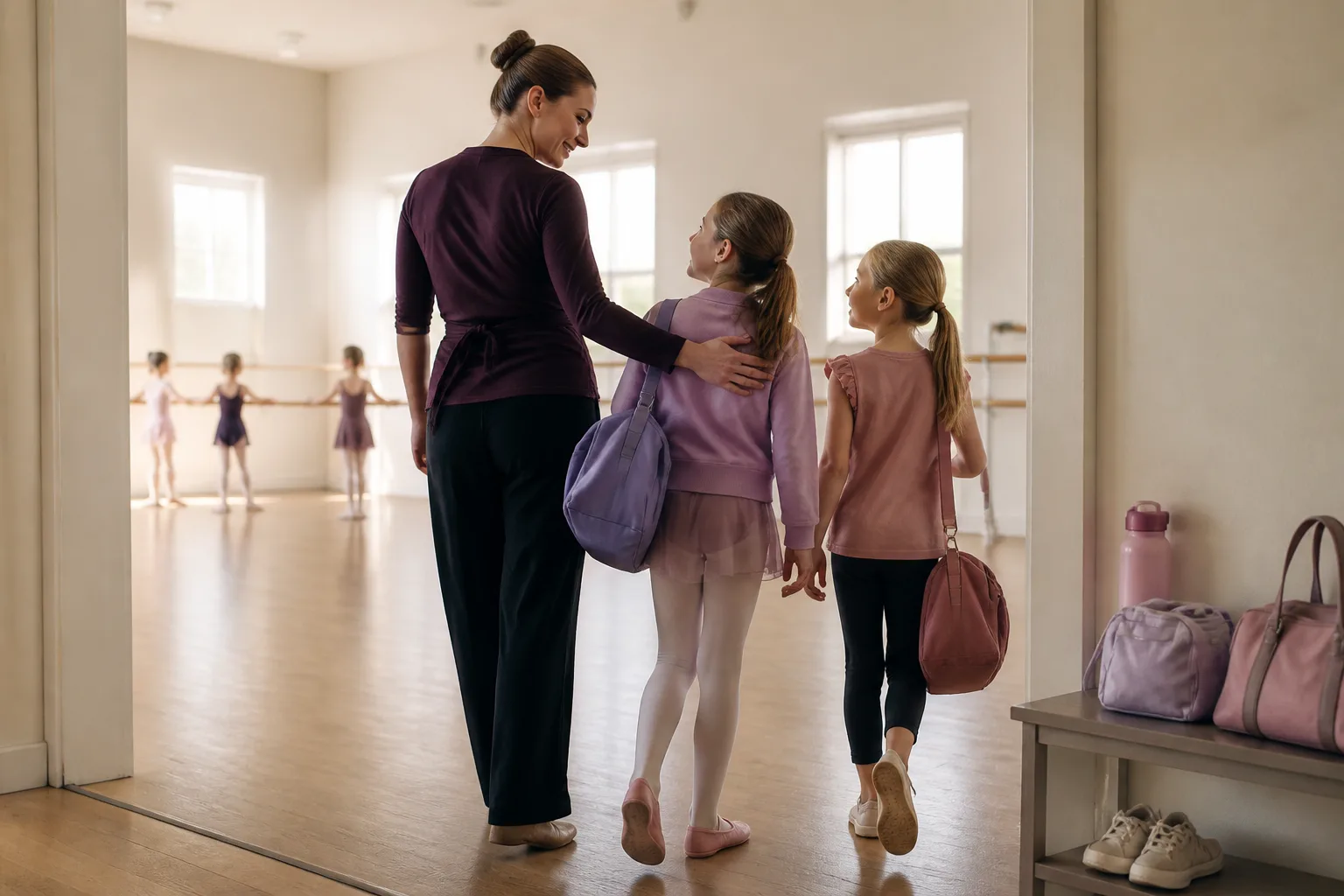
Look for clear instructions, a pace that fits the kids' age, and a safe way for them to ask for help or take a break. Ask the instructors how they handle a child who stays on the sidelines instead of joining in, and how they manage a room where kids have different experience levels in the same age group. If your child has sensory, communication, or mobility needs, discuss those with the studio beforehand, specifically regarding the sound levels and transitions in the room.
For the little ones, check what the handoff and toileting procedures are. For older kids, ask where they should wait before class starts and who is allowed to pick them up. If you have siblings in different sessions, make sure the timing and the amount of driving are actually doable for your family, rather than choosing a studio just because it's convenient for one child.
Choose a beginning the child can repeat
The best first booking is one where both the kid and the parent know exactly what the weekly routine looks like, what the performance expectations are, and what the total cost will be. A friendly, local recreational class is often a better starting point than a high-prestige pathway that your family can't actually maintain. Once your child has some real experience in a classroom, you'll have much better information to help you decide on their style, frequency, and long-term goals.