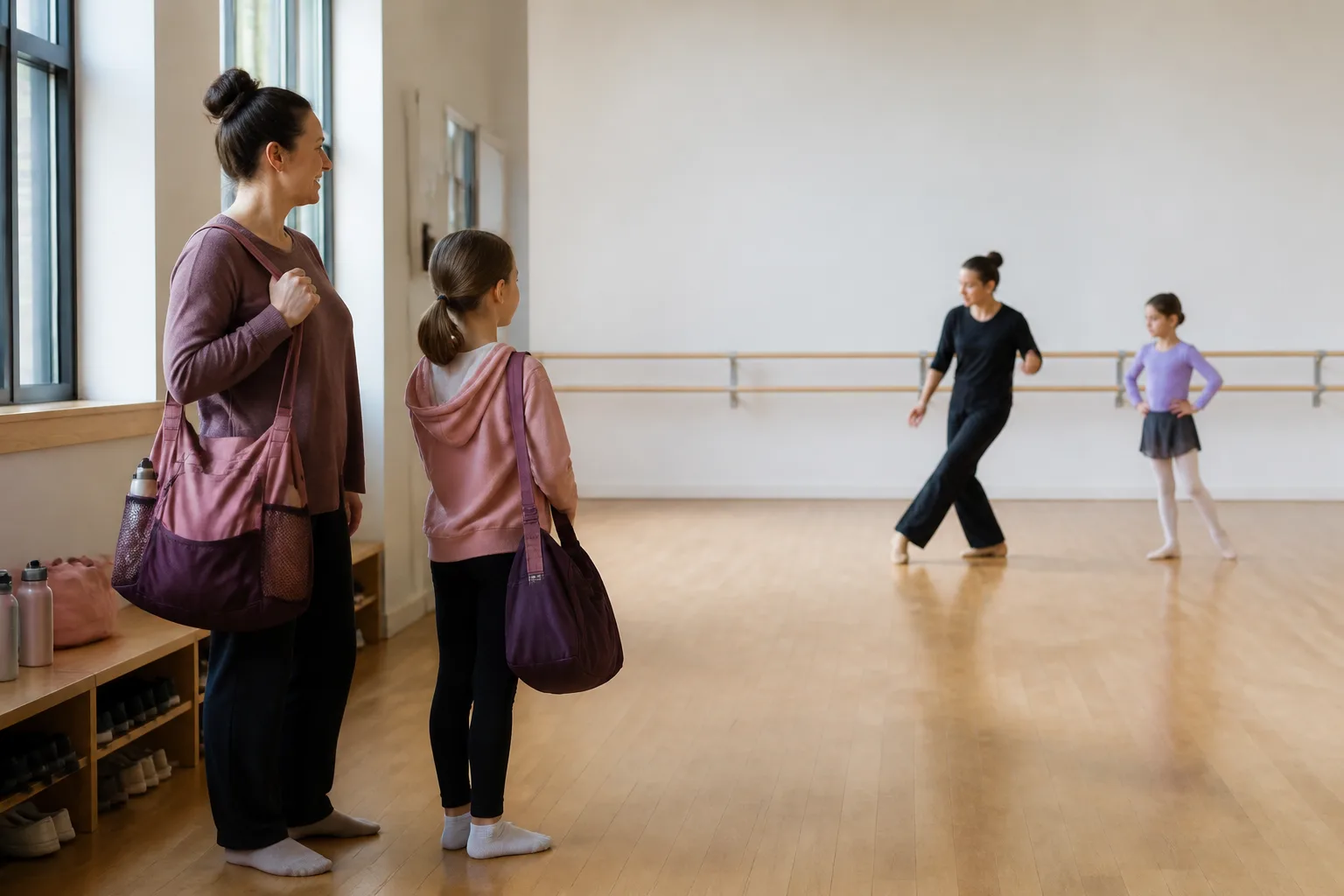
Choose the commitment pathway before choosing a dance style. A kid can try ballet or hip-hop in a short introductory course, a recreational season, or a full intensive schedule, but the travel, practice, and performance expectations are completely different for each.
Start with a short introduction
An introductory block is great if you are just testing the waters to see if your child is ready for a group class or if the teacher is a good fit. Abbotsford Dance Center offers eight-week programmes for ages 12 months to twelve. Their Learn to Dance route starts at age three and avoids registration or costume fees and long-term commitments.
If you have a younger child, keep an eye on the adult's role. Abbotsford’s Parent & Toddler programme starts at 12 months and requires an adult to participate. This is a shared movement class, not a lesson where you can just drop the child off.
Choose a recreational season
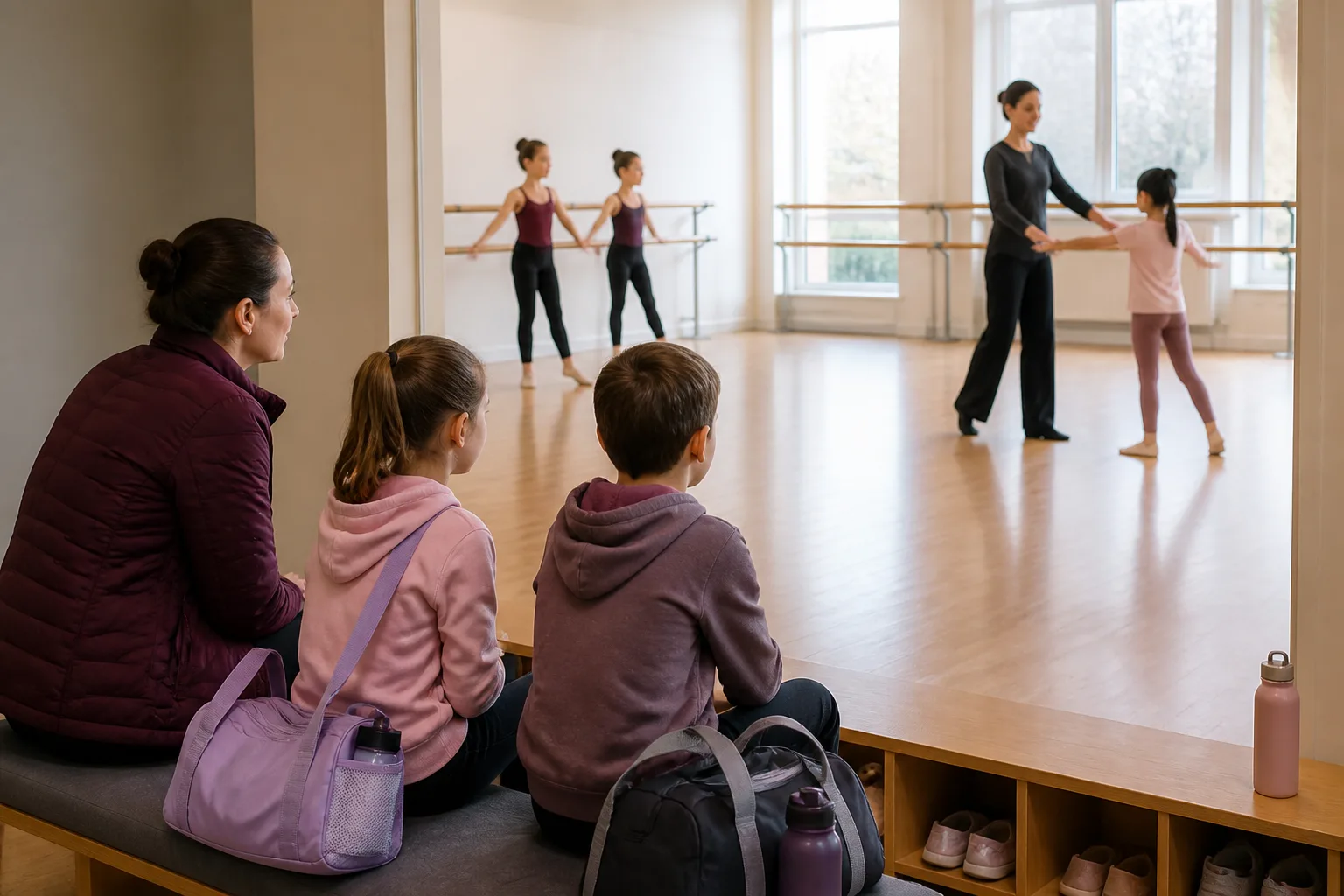
A school-year class is the way to go if your child is ready to show up weekly and take part in a recital cycle. Defy Gravity Dance Company Inc. has regular 2026–27 classes across various age paths. Their seasonal tuition covers registration, the recital, costumes, rehearsals, and a digital recital video, all paid in ten instalments. Just uniforms and recital tickets are separate costs.
This structure makes budgeting a bit easier, but you still have to make sure the class fits your child's life. If they offer trials, use them. Defy Gravity charges $25 plus GST for a trial. Make sure the trial actually applies to the class you want and ask if the trial results can change the final placement recommendation.
Choose a multi-class package
When you look at packages, you are making a timetable decision, not just picking a style. Arts Umbrella lists 2026–27 options: Grade 4 Ballet Only is $1,940, Ballet & Modern or Ballet & Jazz is $3,330, and an intensive is $5,040. If you sign up for a package, the student is expected to attend every class in that set.
You need to map out every weekly session along with the travel time between home, school, and the studio. Sometimes a single-discipline route is actually the better choice if the full package schedule makes it too hard to show up for every class.
Treat competitive and professional routes separately
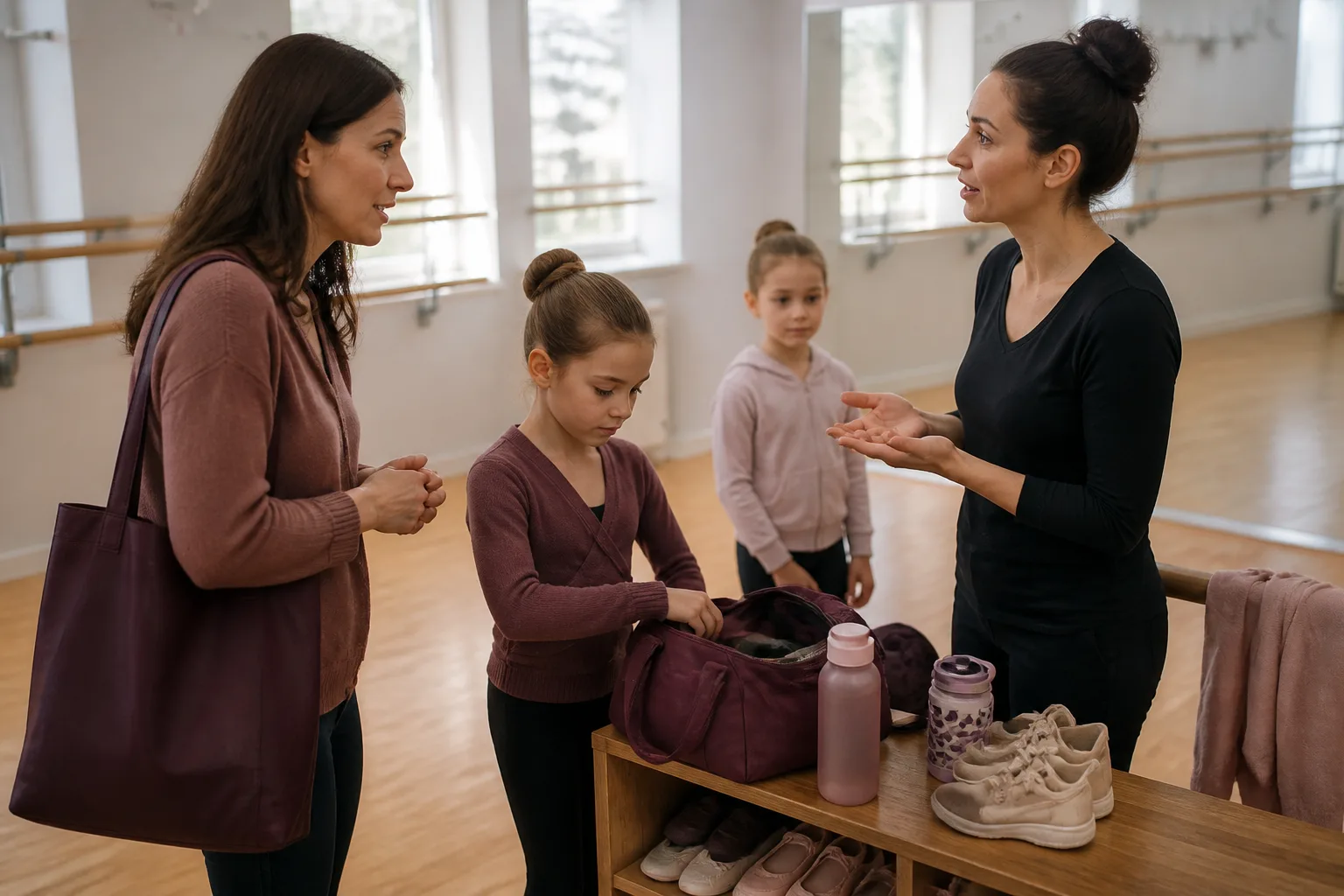
Competitive programmes often come with placement requirements, extra rehearsal time, and extra costs. Defy Gravity notes that competitive and professional additions cost more than their recreational seasonal bundle. At Abbotsford, competitive routes are assigned via placement.
Arts Umbrella’s Professional Training Program is a much larger commitment: it is for ages thirteen to eighteen, it is audition-only, requires at least 25 hours each week, and costs $8,480 for 2026–27. This is a school-and-training decision, not a casual after-school activity.
Compare the weekly load before the annual price
The Grade 4 packages at Arts Umbrella show why the schedule matters as much as the cost. For 2026–27, Ballet Only is $1,940. Ballet & Modern and Ballet & Jazz are both $3,330, and the intensive is $5,040. Because students participate in all classes in a selected package, a family choosing between Ballet Only and Ballet & Modern is choosing additional weekly study alongside a $1,390 price difference. The intensive adds $3,100 over the Ballet Only option and requires the full intensive timetable. Look at the actual school-to-studio commute for every single class before you decide a larger package is a better deal.
Compare what the tuition bundle solves
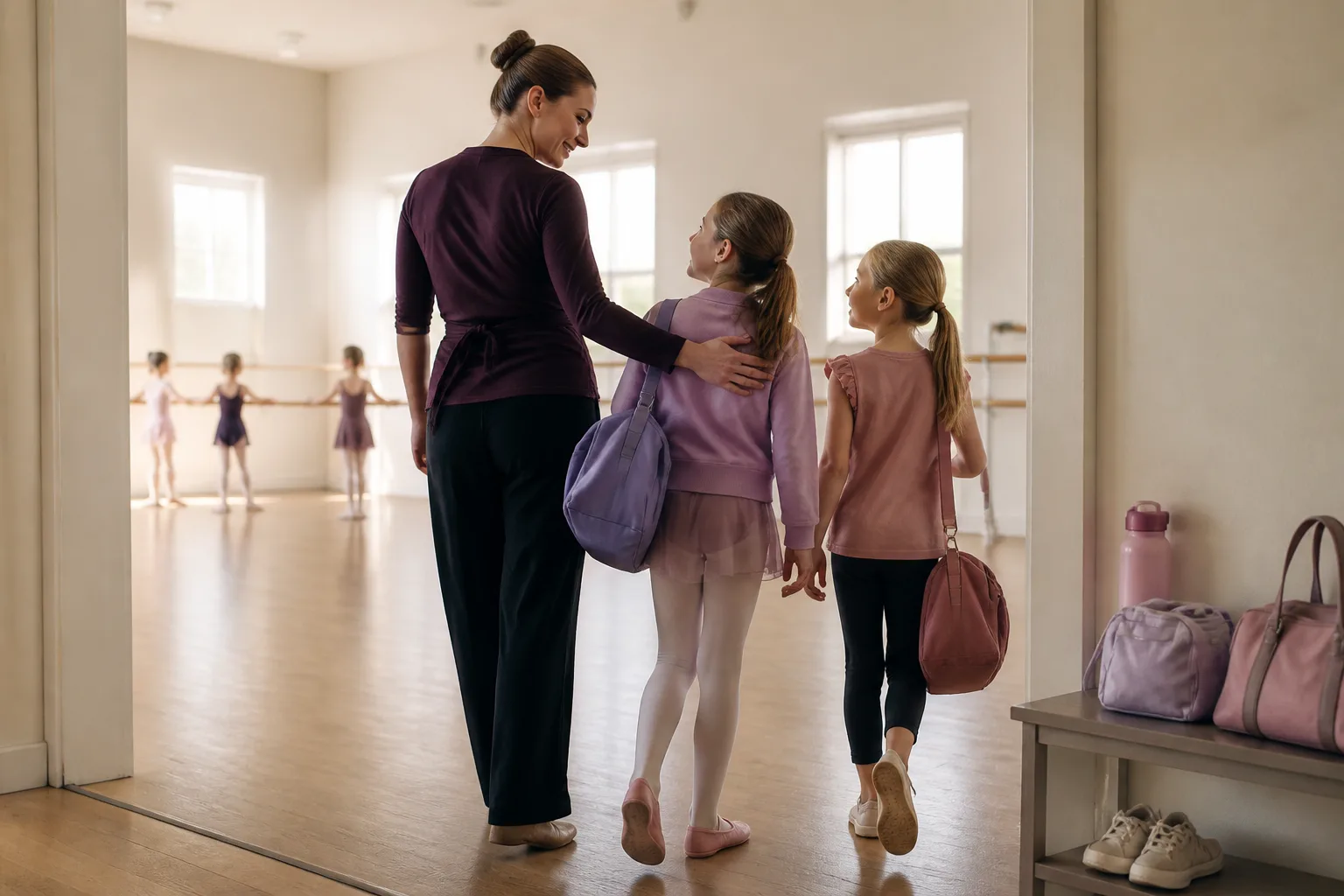
Defy Gravity’s recreational seasonal fee is pretty clear about what it covers: registration, recital participation, costumes, rehearsals, and a digital recital video, all paid in ten instalments. While the exact amount per instalment depends on the class, you know exactly which production items are included. Note that uniforms and recital tickets are still extra.
Abbotsford's Learn to Dance works differently by minimizing commitment: it is an eight-week route with no registration fees, no costume fees, and no long-term obligation. However, you still need to get the specific tuition price for your chosen class. When comparing it to other introductory options, don't assume the absence of add-on fees means you know the total cost upfront.
Use a trial to answer a defined question
You can use Defy Gravity’s $25 plus GST trial to test a specific teacher, schedule, or class level. Before you go, decide exactly what you are trying to find out: Is the pace right? Can the child follow the format? Does the weekly time slot actually work? Make sure the trial is available for the specific route you want and ask what the placement looks like after the trial is over.
The best fit is the route where the child can attend the full schedule and the purpose of the classes matches what your family wants. Once you have picked a commitment level, then you can start comparing specific teachers, styles, and times.