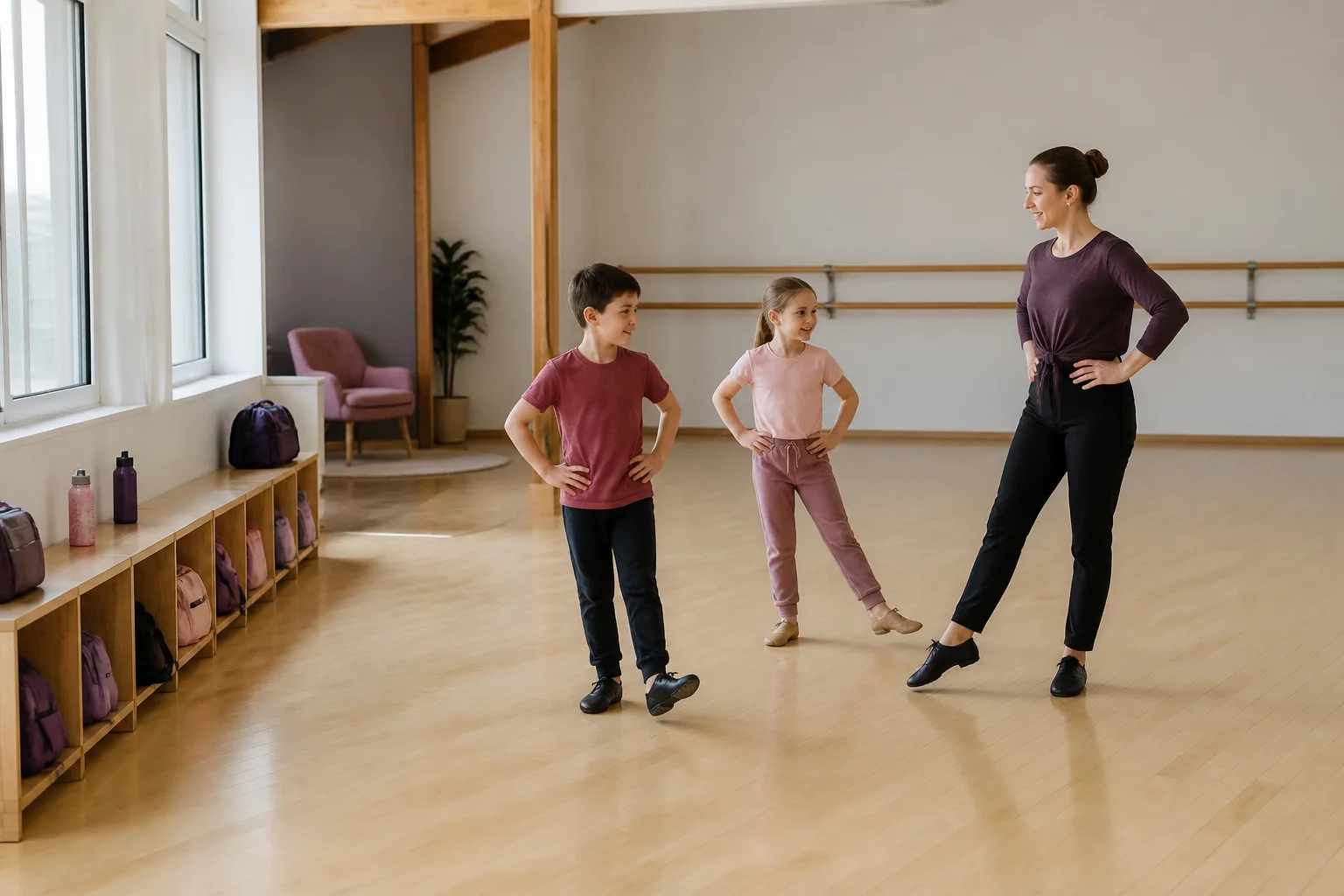
Whether a dance class works depends on the room, the instructor, the group and the child’s way of participating. You can't just take a studio's word for it. Accessibility depends on the specific room, the instructor, the energy of the group, and the routine itself. If a studio claims their program is "inclusive," they haven't actually told you how your child will function in that specific class. You have to dig deeper to see how it works in practice. You need to know the details: the stairs, the volume of the music, the pacing, and what specific adaptations are actually on the table.
Start with access to the room
Follow the full route
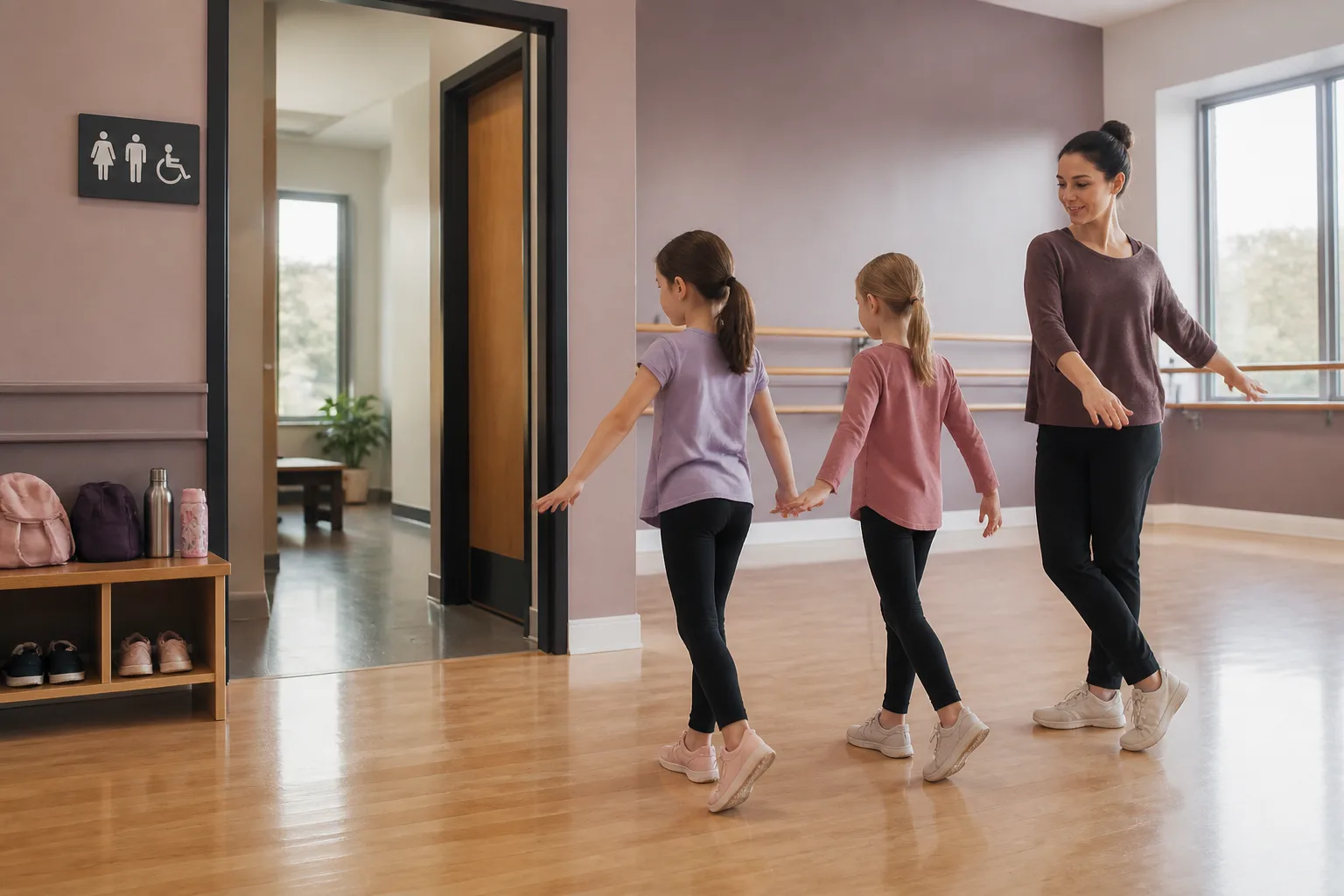
Don't just take a glance at the studio itself. You need to look at the entire journey from the moment you arrive. Ask about parking, transit, and which entrance to use. Are there stairs, or is there an elevator? Where is the changing area located, and what is the layout of the studio door and the washroom? It is vital to check if the accessible entrance is actually open during your class time. You also need to figure out where mobility devices, service animals, or support people can sit or stand so they aren't blocking the dance floor or the exit paths.
Understand the sensory setting
The environment itself is a factor. Ask about the music volume, the lighting, the mirrors, the class size, and how much noise leaks in from the rooms next door. It is worth asking if the teacher uses demonstrations alongside verbal directions, if they preview transitions, or if they can allow for a quieter arrival or a quick break if things get overwhelming. one class at a studio might be perfect for sensory needs, while another class at that same location might be the exact opposite. Every environment is different.
Ask how beginners join
A beginner class should have a specific age range and a clear teaching plan. Ask if the instructor breaks steps down into smaller parts, how much they rely on repetition, and what the protocol is if a child needs extra time to follow a sequence. You should also find out if your child can observe a class before they actually jump in, and if a parent or support person is allowed to stay for that first session.
Discuss adaptations specifically
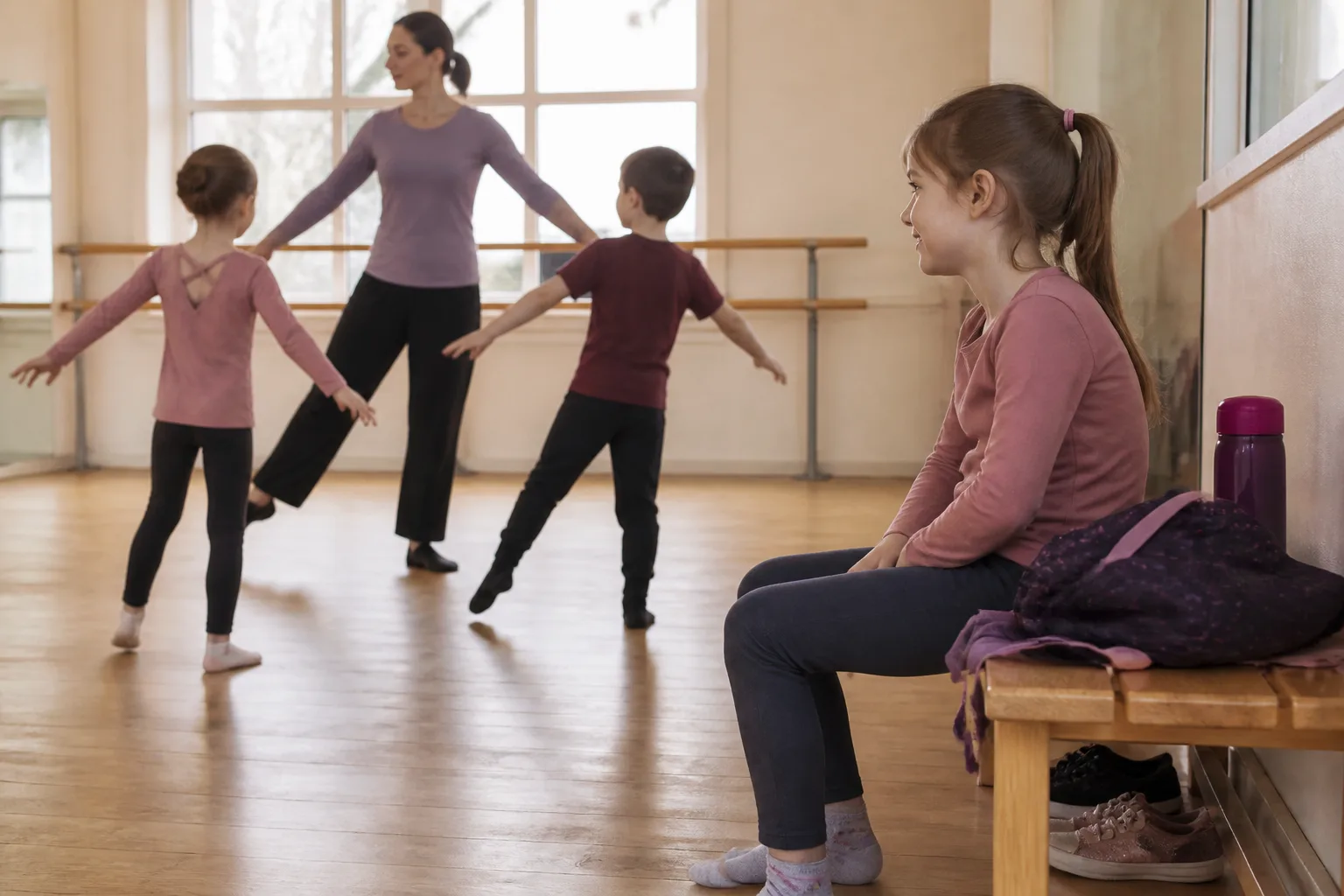
Be direct about the movement or communication support your child uses. Ask the teacher how they can adapt the class so your child is meaningfully participating, not just sitting there. This might involve where they stand in the room, the pace of the lesson, the range of motion required, the use of visual cues, having a stable support, or swapping out a jump for a different movement. You should have this conversation before the first class starts. Trying to figure this out during the morning drop-off is not ideal.
Try the real class when possible
A trial class or an observation is most useful if it involves the actual teacher, the actual time, and the actual group your child will be joining. Once the session is over, ask your child what felt comfortable and what felt difficult. Don't just think about the dancing. Review the whole experience, from the physical walk to the room to the transition into the class and the handoff when the session ends.
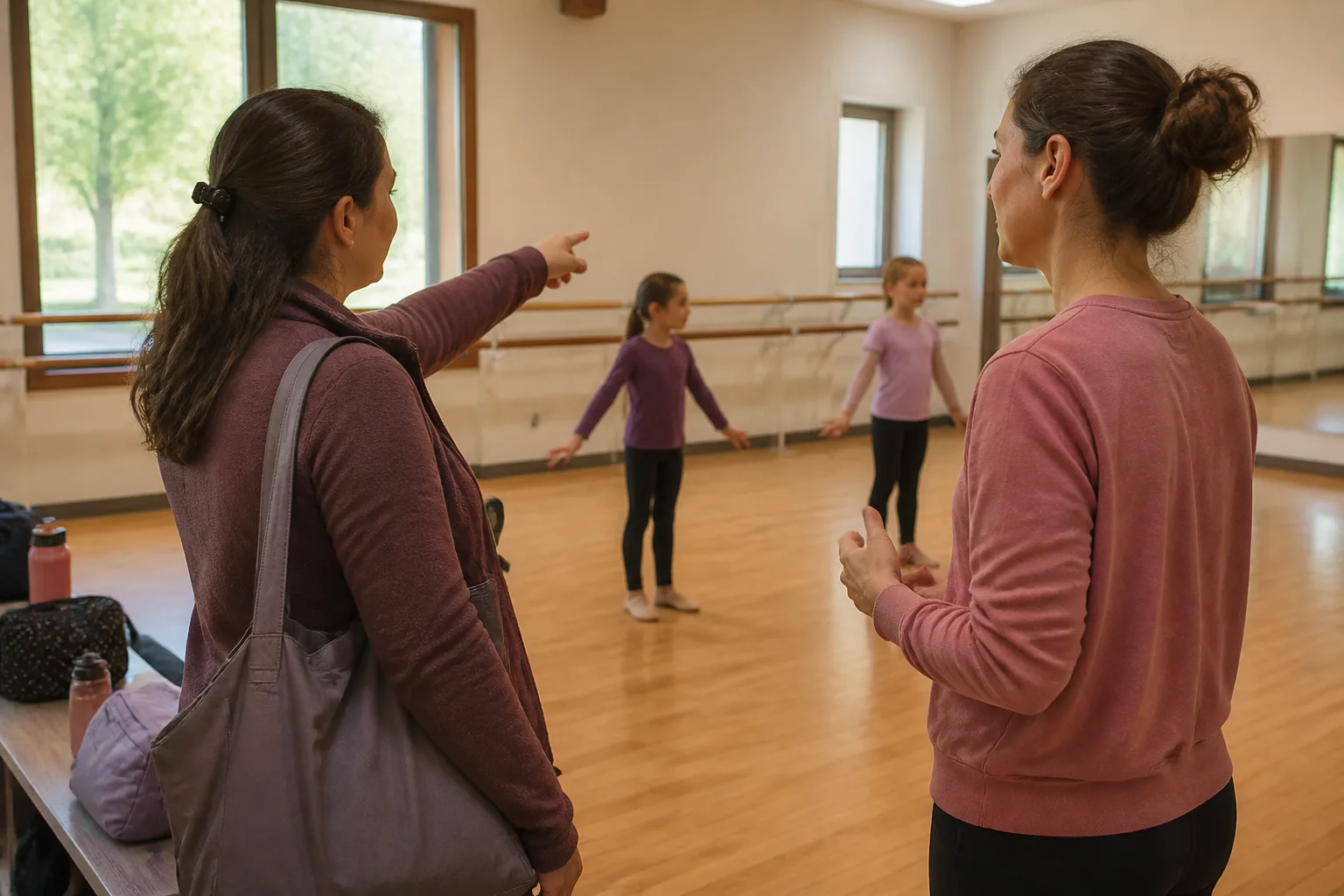
Arts Umbrella in Vancouver, Chilliwack Gymnastics and Dance, and Abbotsford Dance Center are good directory starting points. You must confirm the current class, location, and specific accommodations directly with them; do not assume any accessibility features are already in place.
Review participation after several weeks
A single successful trial doesn't mean you have it all figured out. As the term goes on, ask how things like choreography, formations, costume fittings, and performances might change the requirements. An adaptation that works for a simple exercise might fall apart when the whole group starts moving quickly between different positions. You should also set up a way to talk to the teacher about new barriers that come up without having to discuss private details in front of the rest of the class.
Review the whole arrangement with your child after regular classes, including the changing, waiting, and pickup periods. Ask them if the adaptations actually help them learn and participate, rather than just helping them stay in the room.