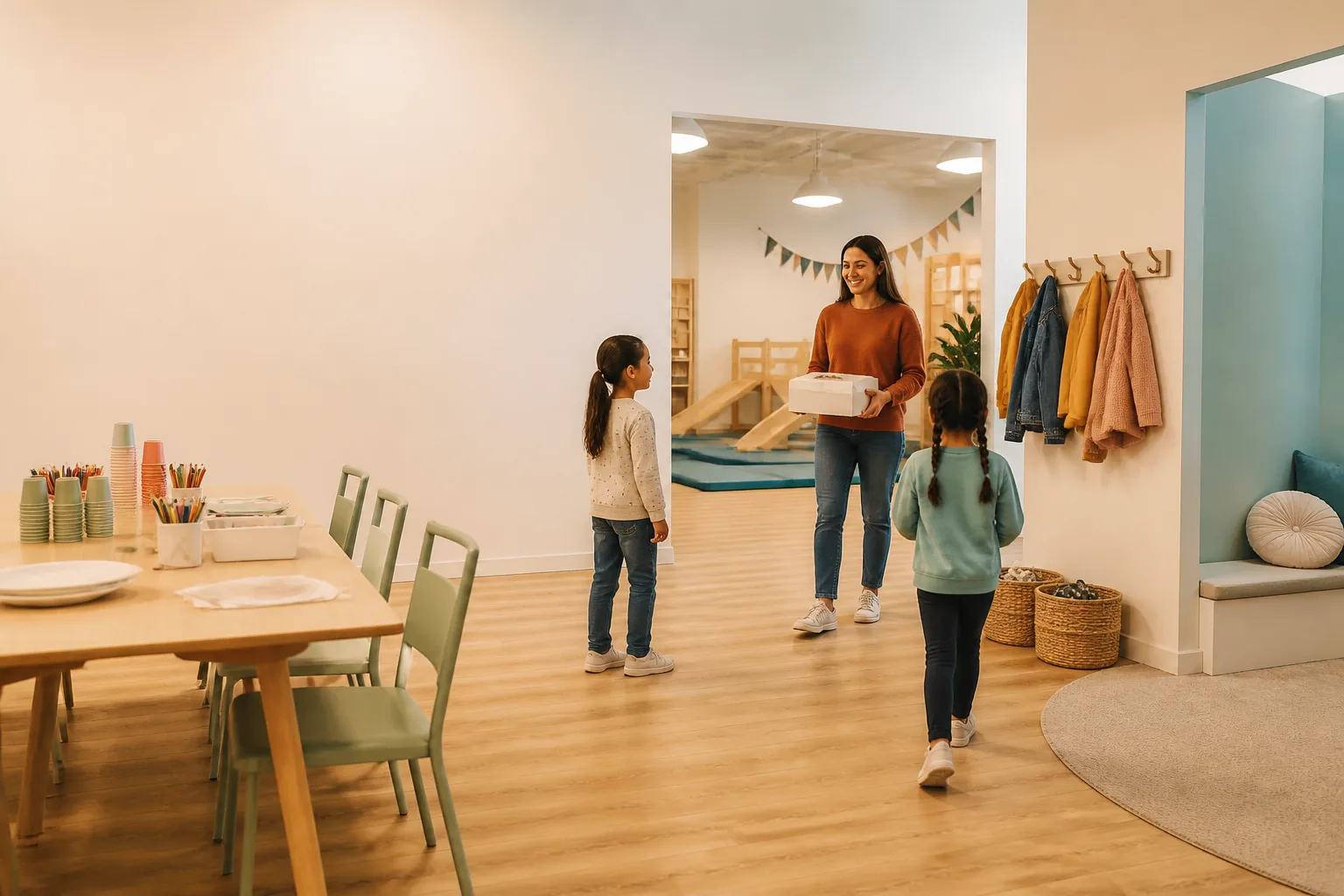
Plan an accessible party around the children attending and the way they will use the venue. Before you put down a deposit, have private conversations with each family to figure out what specific support their child needs to actually participate. Once you have those details, translate them into practical requests for the venue. Avoid using vague terms like "accessibility" and instead ask for specifics: step-free entry, accessible washrooms, a quiet spot for breaks, a visual schedule, extra time for transitions, or permission for a support person to stay close.
Check the whole route through the venue
Arrival and movement
You need to know exactly how to get from the parking lot or transit stop to the room where the party is happening. Look for stairs, curbs, the width of doors, and whether there are elevators. It is vital to confirm that the accessible entrance is actually open during your scheduled time and that a stroller or mobility device can move easily between the activity area, the food area, and the washroom. A venue might boast an accessible front door, but the specific room you have booked could still be tucked away in a difficult spot.
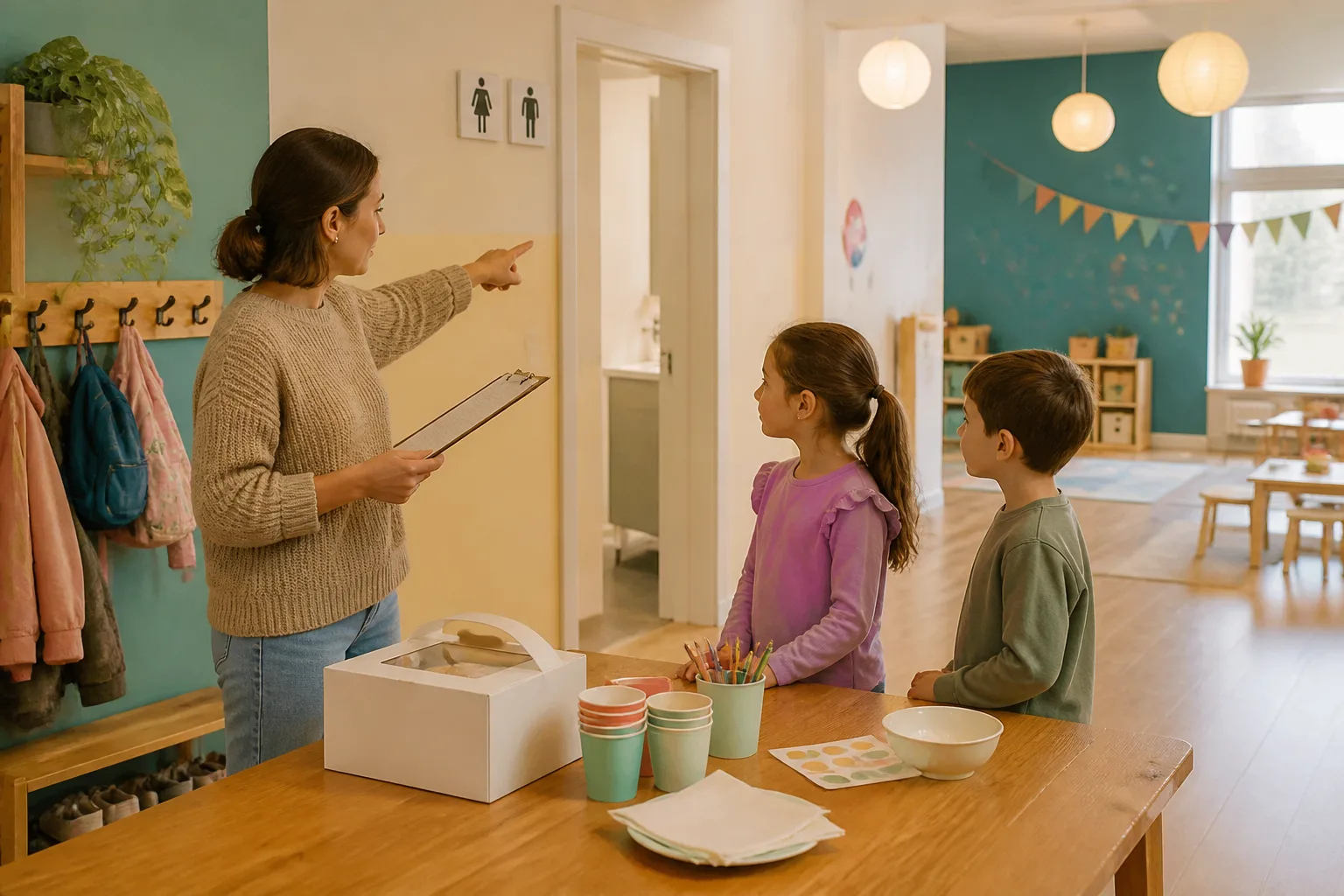
Sound, lighting and breaks
Ask what the atmosphere is like during a busy weekend. A room full of music, whistles, echoes, flashing lights, or multiple simultaneous parties can completely change the sensory environment. Ask the staff if they can turn the music down, give a heads-up before the environment changes, or show you a quiet area where a child and their adult can take a break without leaving the building entirely.
Match the activity to the group
Hosted activities are often better for reducing uncertainty if the leader explains the schedule clearly and is willing to tweak tasks on the fly. Open play gives kids more freedom, but you have to consider that adults might have to supervise children across a much larger, shared space. Ask if every child is forced to do the exact same activity, what the alternative options are, and if a beginner can just watch for a bit before deciding to join in.
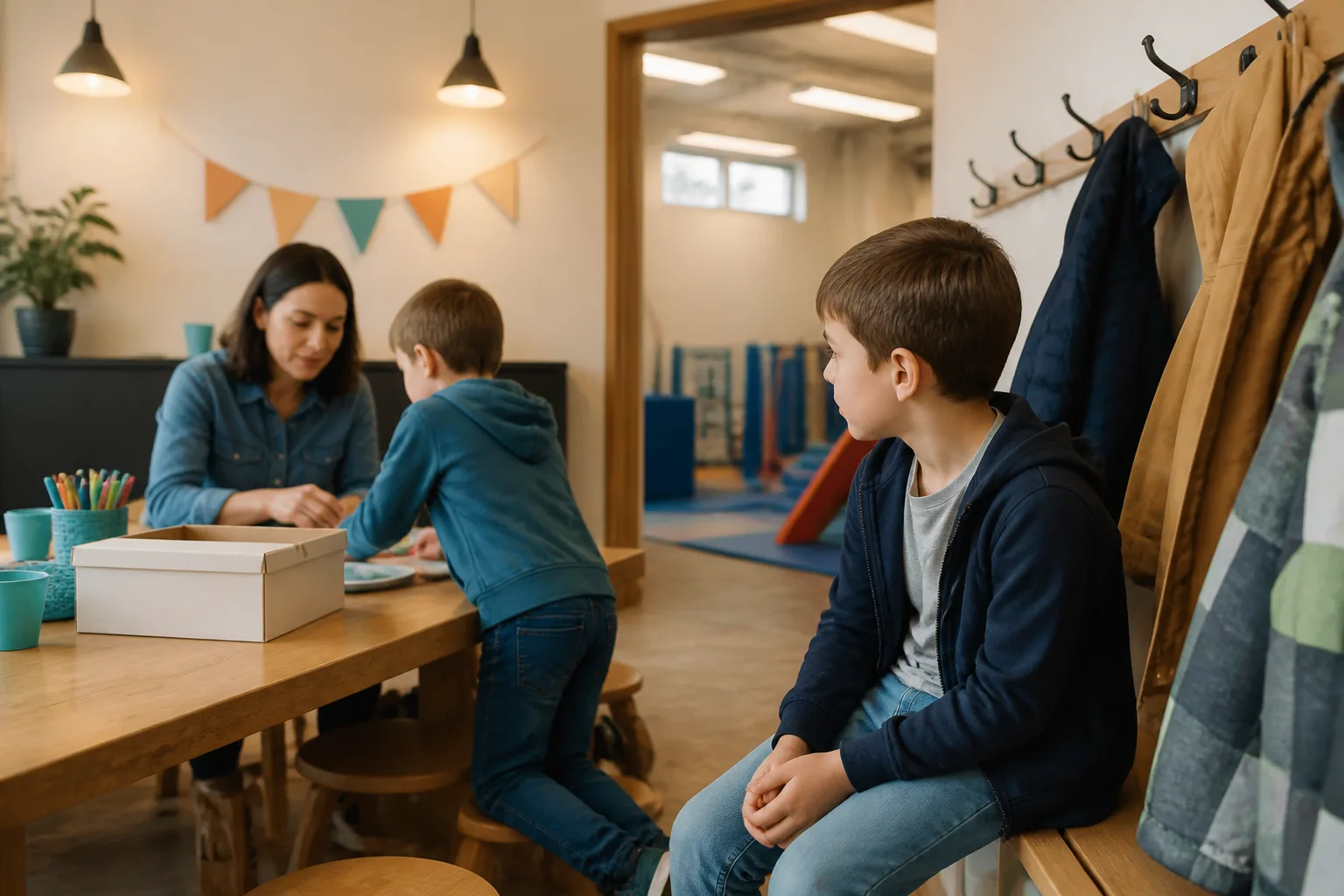
Hawkes Martial Arts in New Westminster, 3Kinnect Science & Technology Learning Centre in Abbotsford, and Surrey Recreation Birthday Parties are good places to start looking at different formats. Always check accommodations for the specific instructor, room, and activity. For a Surrey pool party, kids under seven have to stay within arm's reach of an adult in the water, with a ratio of one adult for every three children. Note that this minimum supervision ratio doesn't cover individual support needs; you need to arrange that yourself and include things like changing-room access and a plan for leaving the pool.
Put the plan on the invitation
Be specific on the invitation: tell families which entrance to use, the start time, the sequence of events, the food plan, and whether parents are expected to stay. Ask people to send any accommodation requests via a private reply. If you're serving food, get the dietary requirements and allergy info before the party starts. You also need to decide who will handle medication, who is aware of the child's emergency plan, and if a parent or caregiver is required to remain on-site.
A practical final check
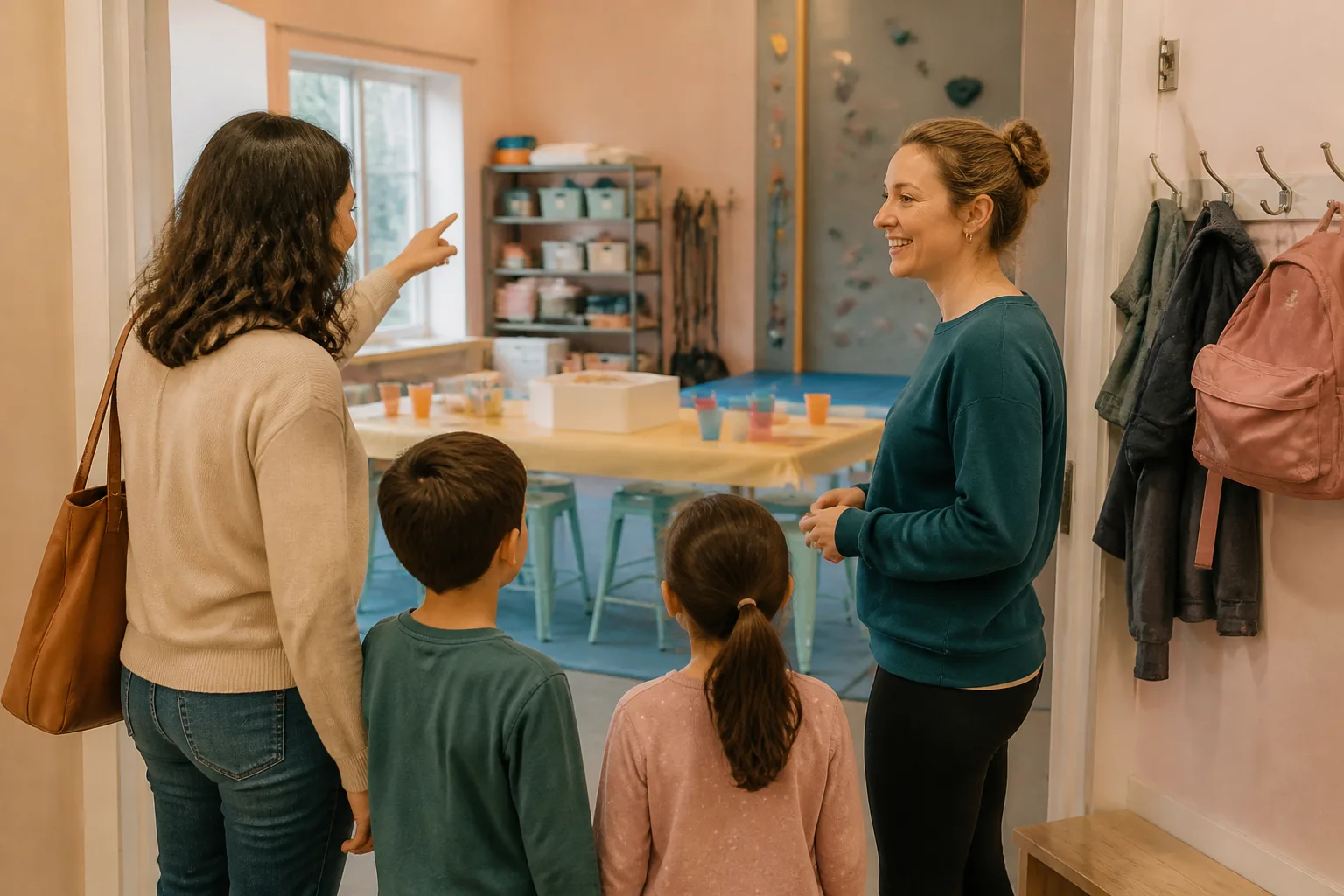
Before you pay any deposits, ask the venue to walk through the whole experience with you: arriving, the activity, food, washroom access, breaks, and pickup. Write down everything that was agreed upon. A short, predictable party in a space that works is usually much more inclusive than a long, complicated package with transitions that the group can't handle comfortably.
Turn requests into an operating plan
Make a one-page schedule for the adults attending. This should cover who meets the guests, where to put coats or equipment, which adult is designated to help during a break, and how a child re-enters the group. It is much better to solve problems like equipment limitations, partner-tasks, or minimum-height requirements before you send the invites rather than promising everyone can participate and then finding out they can't. Give the venue a specific deadline to confirm they can make these adjustments.
Double-check that things like locked mall doors or after-hours entrances won't change the accessible route you agreed on. If the birthday child needs to step away from an activity, make sure you know who will support them while the rest of the guests are supervised.