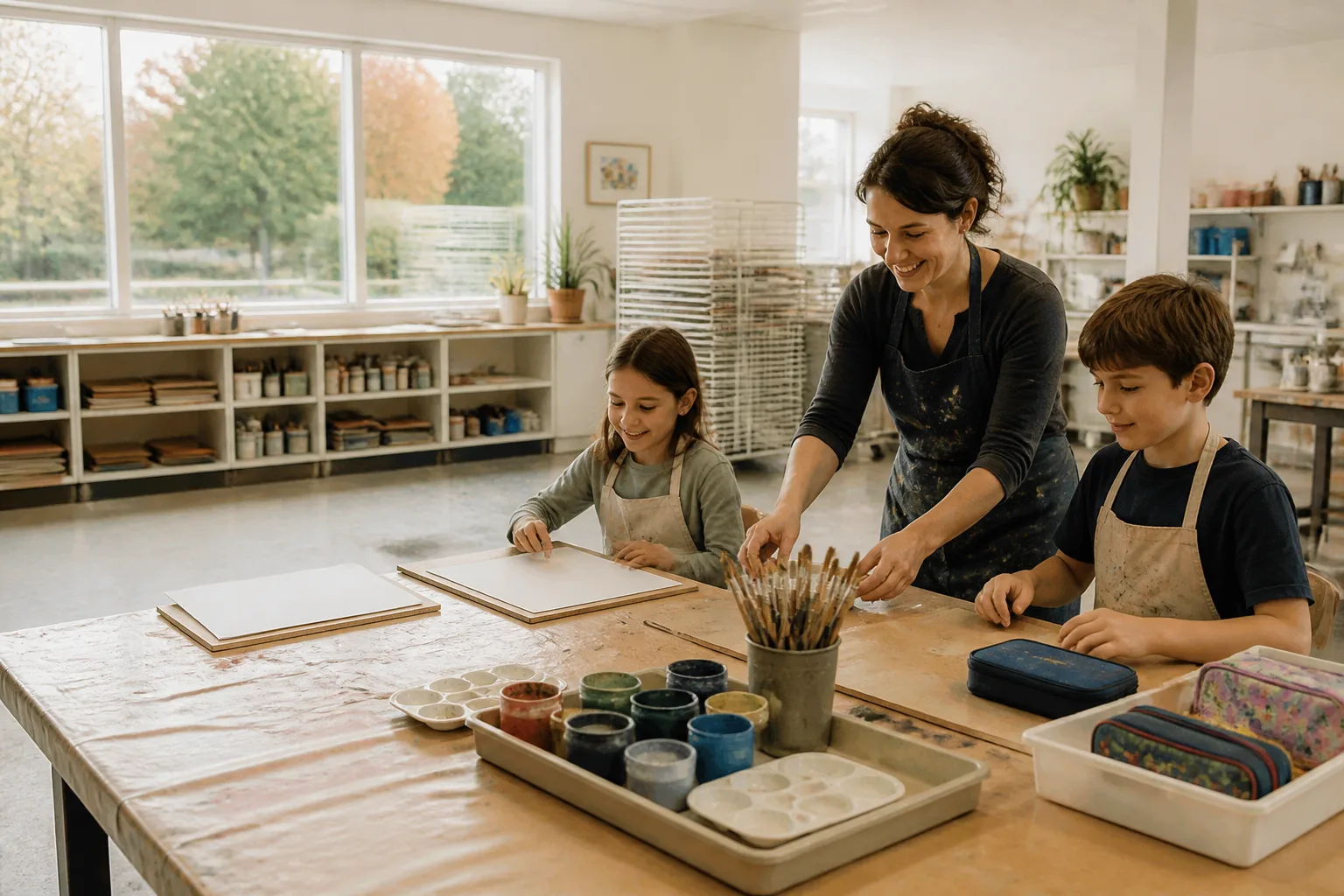
Compare the full term in Surrey, Langley and Vancouver, including art kits, specialist materials and the number of sessions. White Rock enquiries should use the same questions. Ask whether missed lessons include replacement materials and whether a trial is available before paying for a longer commitment.
When choosing an art program for your child, the price difference between two similar-looking classes can be significant. Understanding what goes into that cost can help you ask the right questions when comparing local providers.
Several key factors typically influence the registration fees for children's art classes:
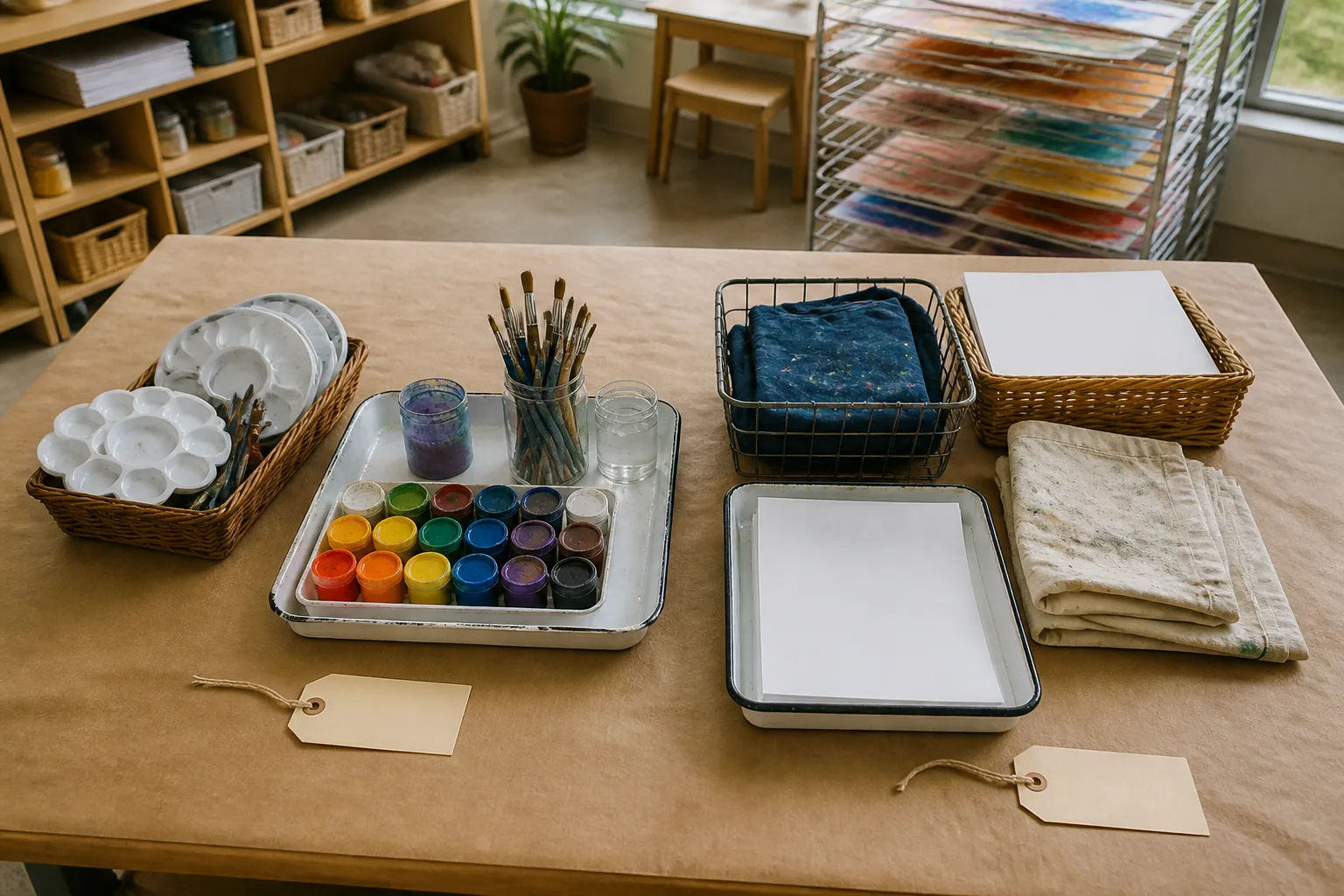
- Materials and Consumables: Does the fee cover all supplies, such as clay, canvas, or specialty paints, or are students expected to bring their own kits?
- Instructor Ratios and Staffing: The number of instructors to students often dictates the level of individual attention a child receives during a session.
- Equipment and Facilities: Specialized equipment, like pottery wheels or high-end digital tablets, can impact the overhead of a program.
- Duration and Frequency: The length of each individual lesson and how many weeks the course runs will naturally change the total investment.
To get a clearer picture of what you are paying for, you might consider asking providers these questions:
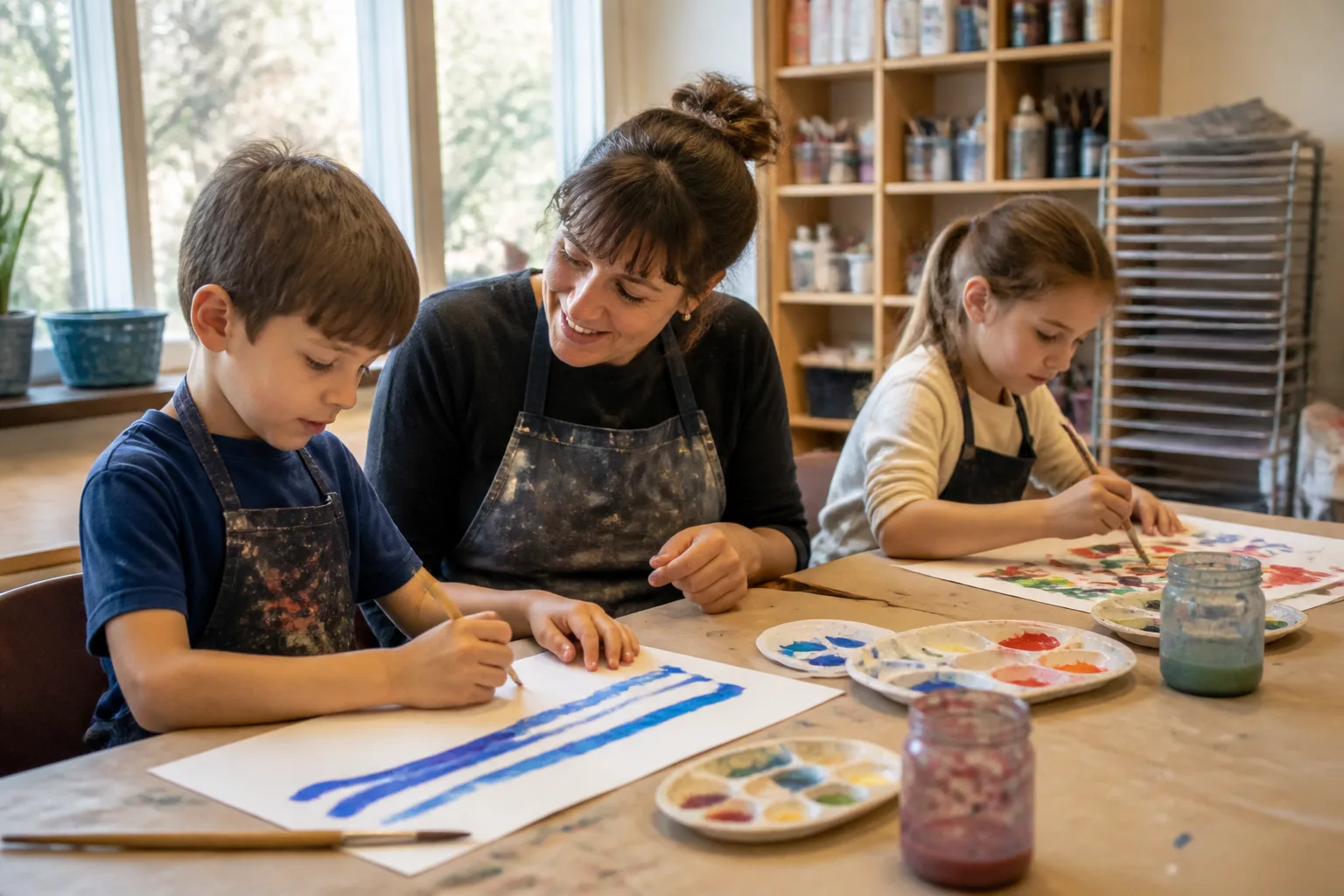
- Is there an additional supply fee due on the first day of class?
- Does the registration fee include all the materials used in the projects?
- What is the typical student-to-teacher ratio for this specific age group?
- Are there specific items (like an apron or sketchbook) that I need to provide separately?
Local places to investigate
- Amaze Arts — Surrey; art classes, workshops and camps.
- Art Village Visual Art School — Langley; visual-art classes and portfolio preparation.
- Creo Art Studio — White Rock; art classes, camps and parties.