
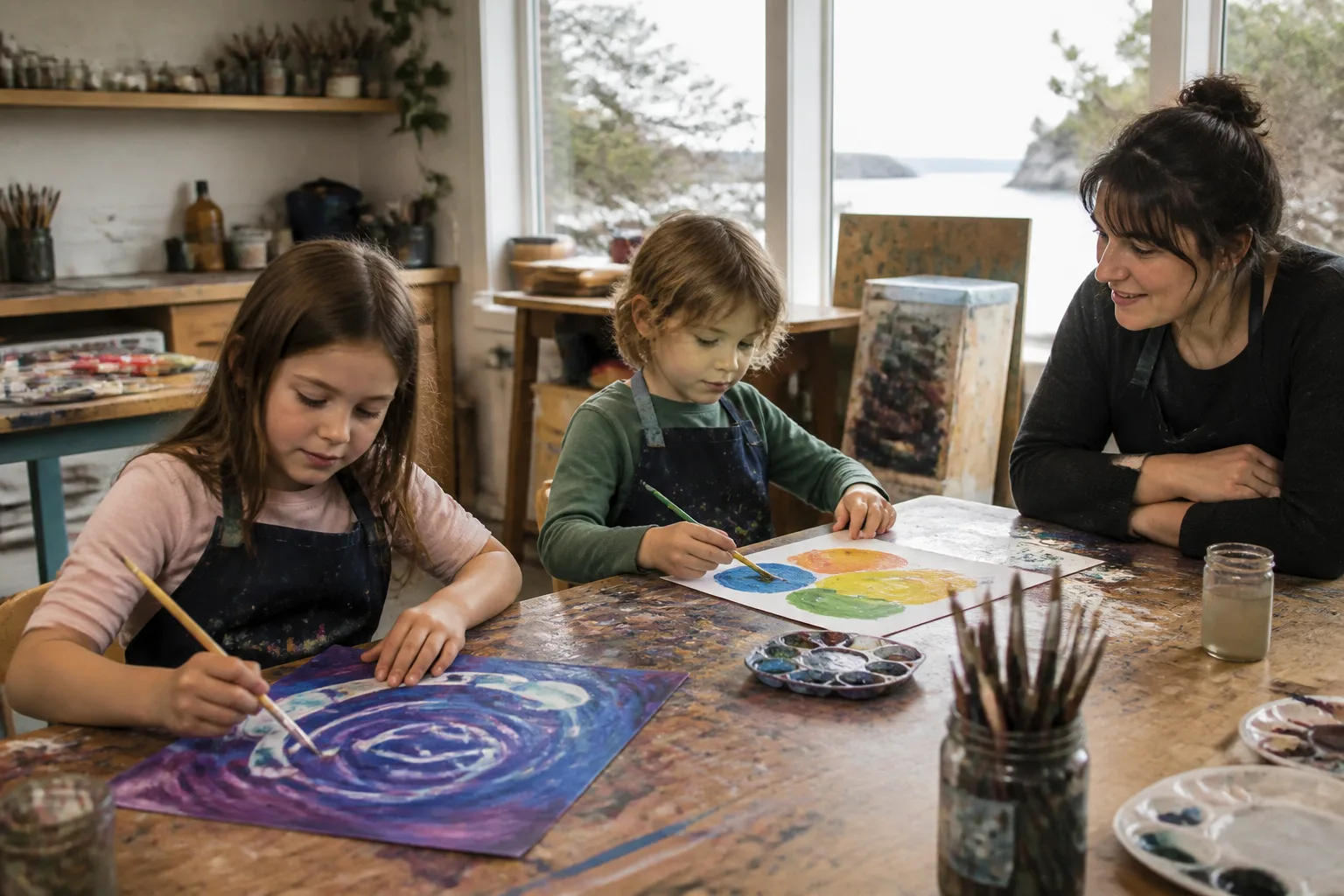
The finished project in a class photo says little about what happens while children are making it. One program might walk kids through a specific, step-by-step sequence, while another focuses on building foundational design skills over several months. You might even find a third option that just gives kids a bunch of materials and the freedom to explore.
You should start with what your child actually wants to do: try art for the first time, master a specific skill, hang out in a social setting, or build a portfolio for senior school.
Compare local programmes by teaching format
Arts Umbrella does art and design alongside dance, theatre, music, and film. They offer sessional classes and a yearlong Foundation Program. The 2026–27 Foundation Program is held at Granville Island for ages 7–12 and meets twice a week; notably, no previous experience is required. This is a big commitment compared to a one-off workshop, so look at the specific course rather than just the organization's name. Always double-check if the class is at Granville Island or another center, and confirm that it is actually open to beginners.
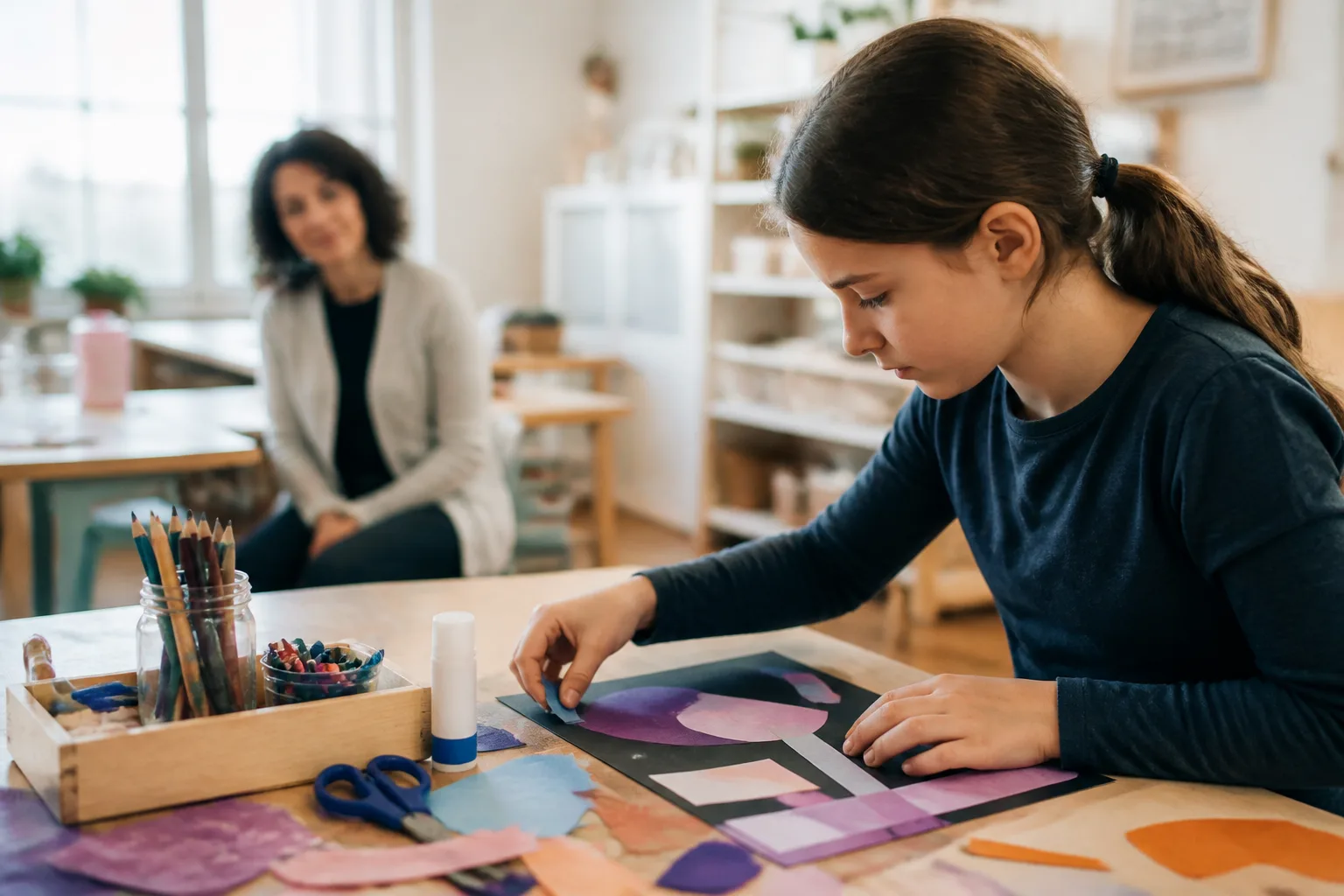
Amaze Arts is located in North Surrey and currently focuses on guided, step-by-step canvas painting, along with various programs and parties. This is a solid choice if your child likes following a clear, visible process. When booking, ask if it is a recurring class, a workshop, or an event, and check how much room there is for individual creativity within the project.
Creo Art Studio in White Rock has everything from classes and workshops to camps and parties. Their full-day Pro-D program includes outdoor time and free-choice stations, which is a different vibe from a structured weekly lesson. As of September 30, 2026, the studio has announced a second South Surrey location for fall 2026, but that doesn't mean it's open yet. Always confirm the exact address for your specific booking.
Art Village Visual Art School in Langley breaks things down into early exploration, foundation classes, and portfolio prep for older students. Don't assume a label tells you the right level; an intro class and a portfolio course are meant for very different goals, so check the ages and prerequisites for the specific course you want.
Use the activity directory to find these and other providers by location. Once you find a place, ask for the exact details of the current class offered; descriptions for camps or parties aren't the same thing as a weekly class.
Find out how the child will make art
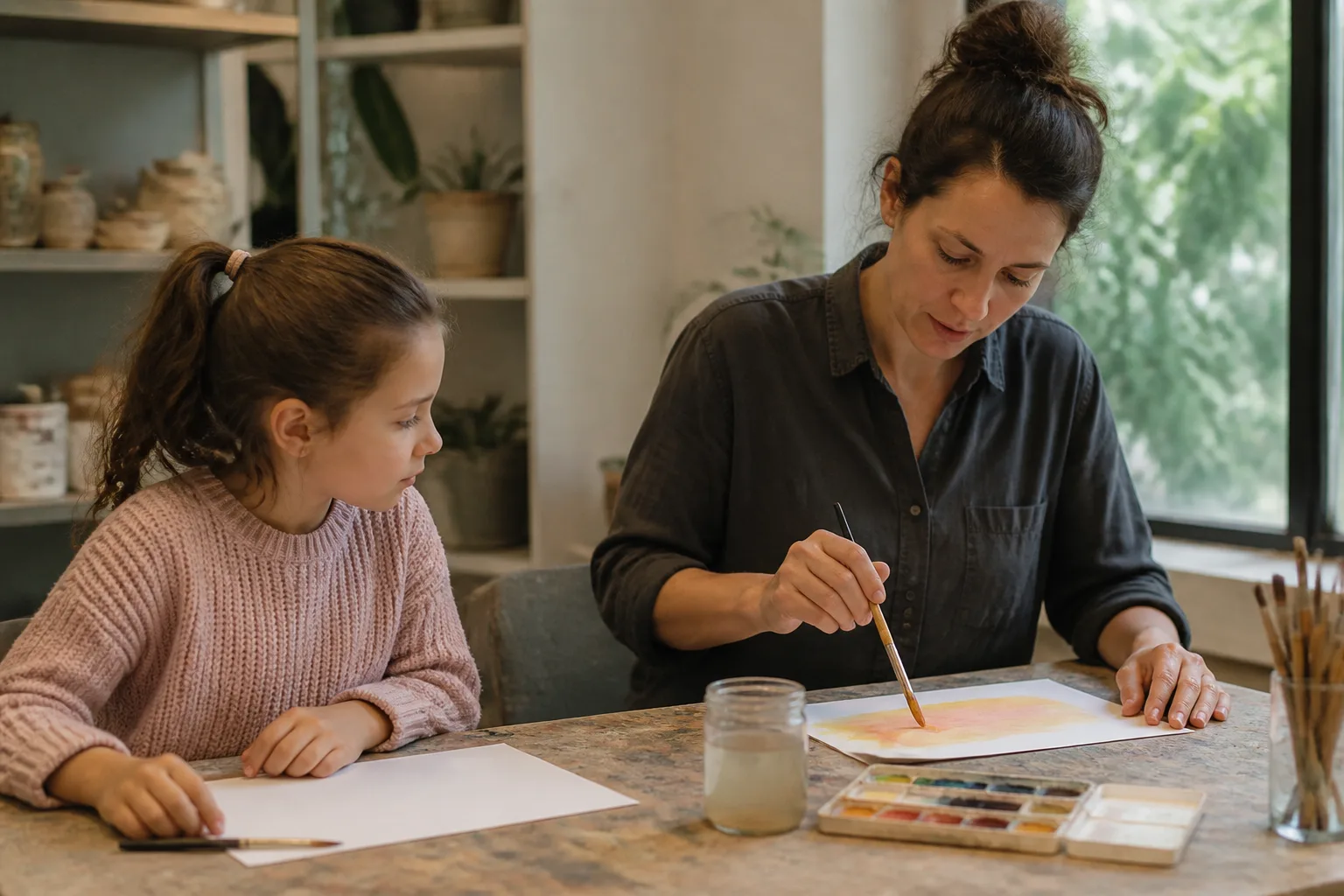
Ask the instructor to walk you through a typical session, from arrival to cleanup. Do kids make the exact same thing, choose from a list of prompts, or get to invent their own ideas? You need to know if the goal is a finished piece, general experimentation, or a specific skill like animation, sculpture, drawing, or design. A structured project is great for building confidence, but an open-ended class might be better for a kid who wants to invent. You should know exactly what you are paying for.
If your child is already experienced, tell the instructor exactly what they do and what they want to learn. "All levels" is a vague term. It could mean the instructor modifies one project for everyone, or it could mean several skill levels are all in the same room. Ask how they handle feedback and what happens if a child finishes early, needs extra time, or wants to try something different entirely.
Practical questions for the studio
- What ages or grades share this group, and is previous experience expected?
- Is the class drop-off, parent-and-child, or does an adult wait nearby?
- Which materials and techniques appear during this specific term?
- Are supplies included, borrowed, or do you need to purchase them from a list?
- How large is the group, and how does the instructor help different skill levels?
- What happens if a project needs drying, firing, or collection later?
Account for materials, mess and finished work
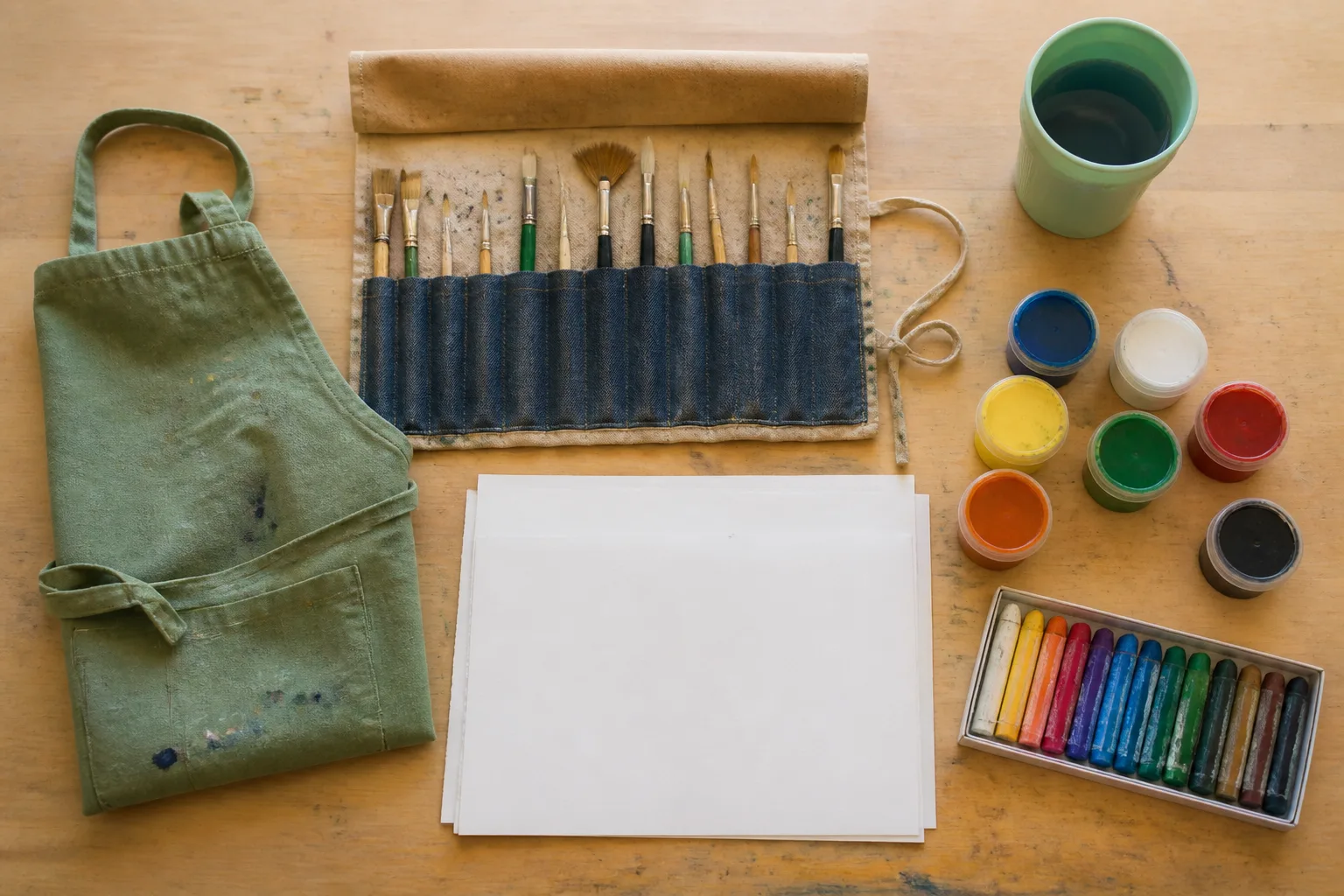
Clay, printmaking, paint, and digital art all create different practical requirements. Ask what kind of clothes are best and if the studio provides aprons. If the class involves clay or other materials that need finishing, find out if firing is included in the price and when the work can actually be picked up. For digital classes, check if the studio provides the equipment or if your child needs a home account or specific software.
Don't go out and buy a general art kit until an instructor gives you a specific list. Remember to include any supply or material fees when you are comparing the total cost of a term, and look into the policies for missed classes or withdrawals. Also, a camp price covers a lot more than just a single lesson, so it shouldn't be compared directly to the hourly cost of a focused class.
Make the first booking informative
If a place offers a workshop or a short block of classes, use it to see how your child reacts to the teaching style and the environment. Afterward, talk to your child about the process: Did they understand the instructions? Did they get to make their own choices? Did they get the help they needed? While it is great if they like the finished product, a class is only sustainable if they actually enjoy the process of doing the work.