
A finished sample project shows the outcome, but it says little about how a child makes choices and works through the class. The better way to decide is to look at how the child actually works. Ask yourself how they make decisions, how they handle being given instructions, and how they react when a project takes more than one session to finish.
Guided project instruction
Amaze Arts in North Surrey uses a step-by-step approach for canvas painting and offers a wider programme for ages three-to-thirteen that covers pencil, pastel, charcoal, and watercolour. This setup works well for a child who likes a visible sequence and a specific end result. You should find out how much variation the instructor allows and what the plan is if a child finishes their work early or needs extra time to finish.
Core study with rotating disciplines
Arts Umbrella runs a yearlong Foundation Program at Granville Island for kids aged seven to twelve, meeting twice every week. For those aged seven to eight, it includes a Visual Arts Core along with five set Explore courses that cover things like sculpture, architecture, printmaking, stop-motion, and more. Older kids get to choose between a Media Arts Core or a Visual Arts Core and then pick their electives.
This is the right move for a child ready for sustained work over a full school year. This is not the same as a single workshop or a weekly sampler. You don't need any previous experience to register, but the twice-weekly schedule is a big commitment.

Mixed art and care day
Creo Art Studio offers licensed Pro-D days for kids from five to twelve years old. These days feature free-choice stations with things like Lego, arts and crafts, puzzles, reading, games, and crafts, plus time for snacks, lunch, and being outdoors. This is a good option if you need full-day care that includes creative work, but don't go into it expecting a focused technique class.
Choose from the child’s actual goal
If the child wants to learn a specific process and finish a defined project, go with guided instruction. If they want long-term development and can handle attending twice a week, choose a core/elective programme. If your main goal is covering school-day hours with varied activities, choose a mixed care day.
If you are looking for portfolio preparation, ask about the required home practice, feedback, and the specific body of work expected. Don't put a beginner into an advanced track just because the name of the class sounds comprehensive.
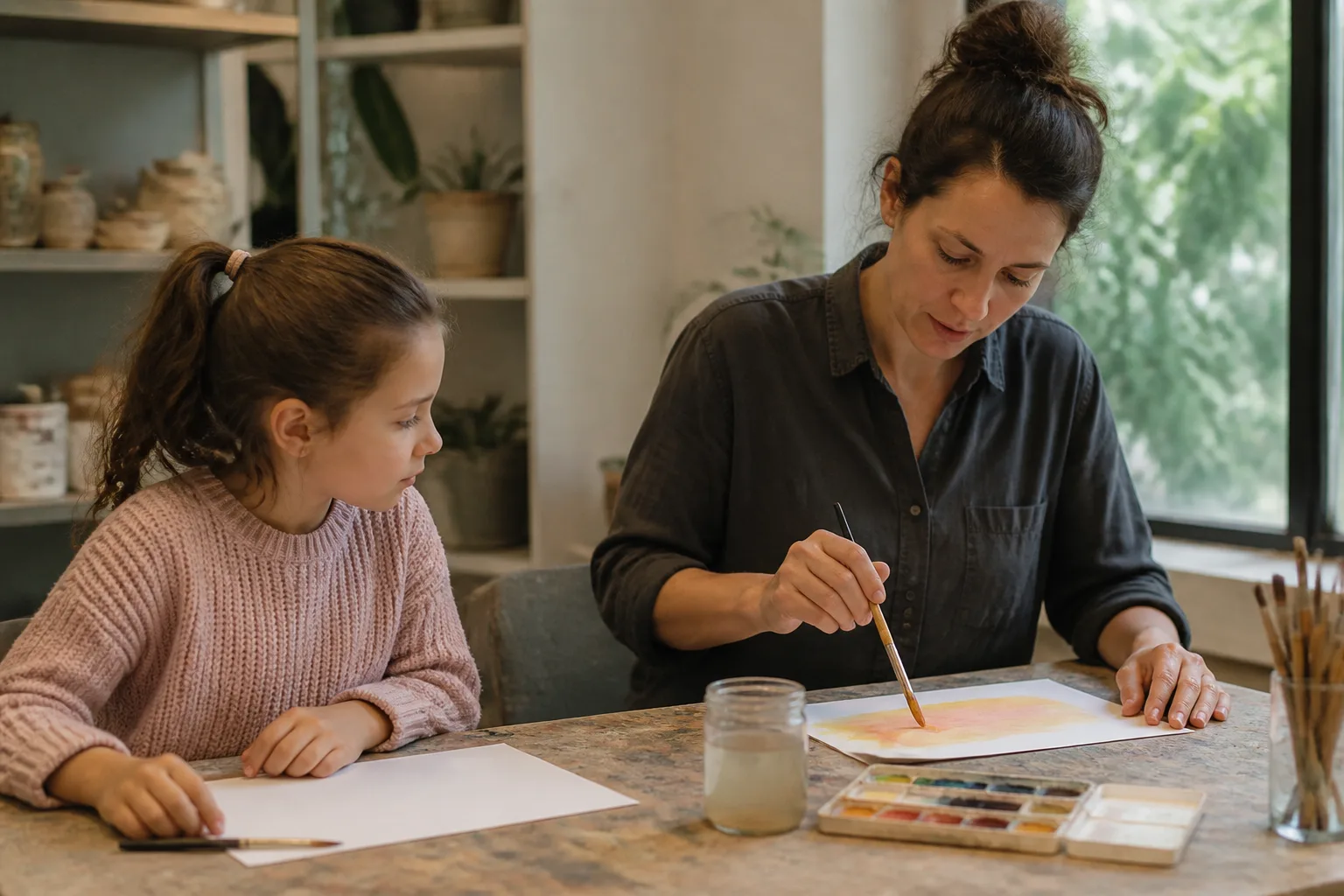
Test the practical fit
You need to map out the actual daily or weekly commitment. The Arts Umbrella Foundation year runs from September through June at Granville Island. Creo’s Pro-D care in White Rock runs from 7:00 a.m. to 6:00 p.m., which is an eleven-hour span. Amaze Arts is located in Fraser Heights; make sure to confirm your selected class, workshop, or party booking before you head out.
Ask about the logistics: are materials supplied? Does work stay behind to dry or fire? How do you handle missed sessions, and where should an adult wait? The best programme is one where the teaching structure matches what your child wants to do and the schedule is something you can actually repeat.
Distinguish a weekly subject from a broad pathway
The current Fall 2026 listings from Arts Umbrella make the difference clear. For example, Drawing Principles & Techniques for ages nine to twelve is a single 90-minute Sunday class from September 27 to December 13, priced at $379. Video Game Design has sections for ages six-to-eight and nine-to-twelve, also at 90 minutes weekly for $379, running from September 26 to December 12.
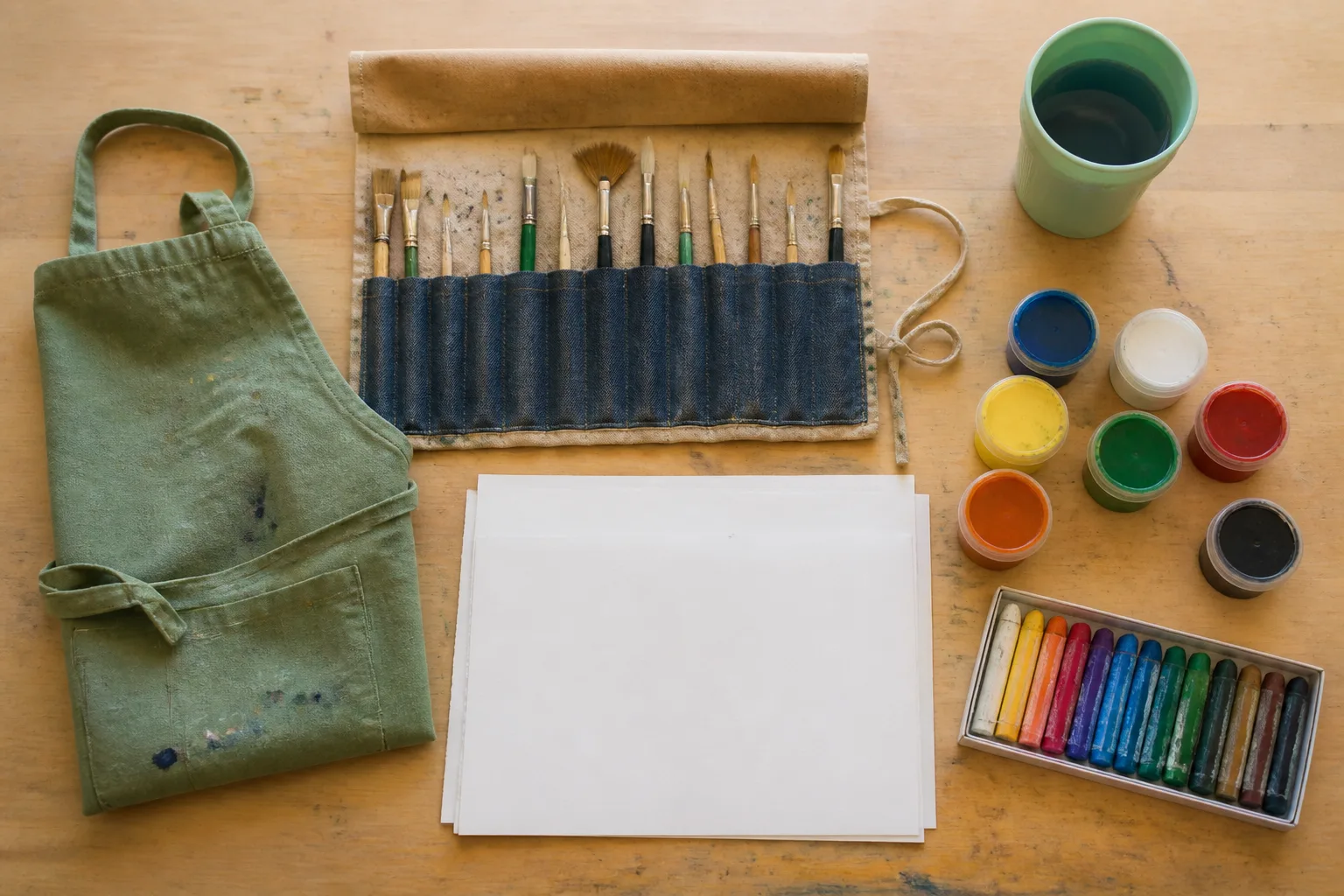
Those sessional classes are great if a child wants to focus on one specific subject for a term. Foundation is different because it combines a yearlong Core with various Explore disciplines and requires attending twice a week. Go the sessional route if the child wants concentrated time in one subject and the family wants a clear end date for the term. Choose Foundation if the goal is breadth, continuous practice, and two weekly trips.
Do not use care hours as teaching hours
Creo's Pro-D day solves a different kind of problem. The 7:00 a.m.–6:00 p.m. window is great for flexibility when school is closed, but remember that the day is filled with outdoor activity, lunch, snacks, and free-choice stations. It should be viewed as licensed care that includes creative activity, not eleven hours of intense art instruction.
The $95 price covers nine hours of the day, and there is an additional $20 per hour charge for extra time. If a family needs to use the full operating window, they should factor that extra time into the cost when comparing Creo to other care-day options. If a family is looking for technique development, they should compare the specific mediums and the actual amount of named teaching time instead.
Check the entry level without relying on age alone
Age ranges help determine who is eligible, but they don't tell you much about the pace or how much independence is required. While Arts Umbrella says no experience is needed for their Foundation program, you should ask other programs if the class starts with the basics, assumes the child already has tool skills, or expects them to work independently after a demonstration. A helpful answer from an instructor will tell you exactly what the child will be doing during those first few sessions.